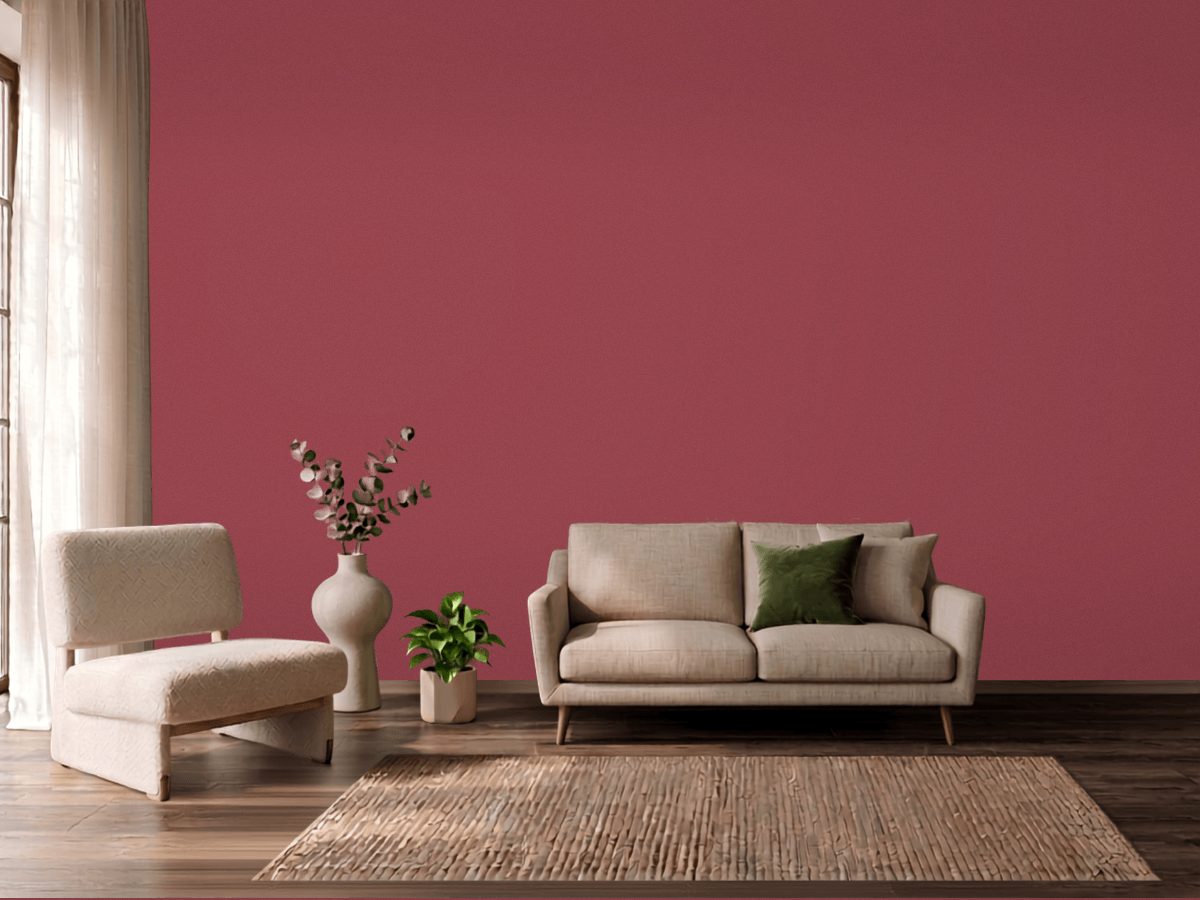
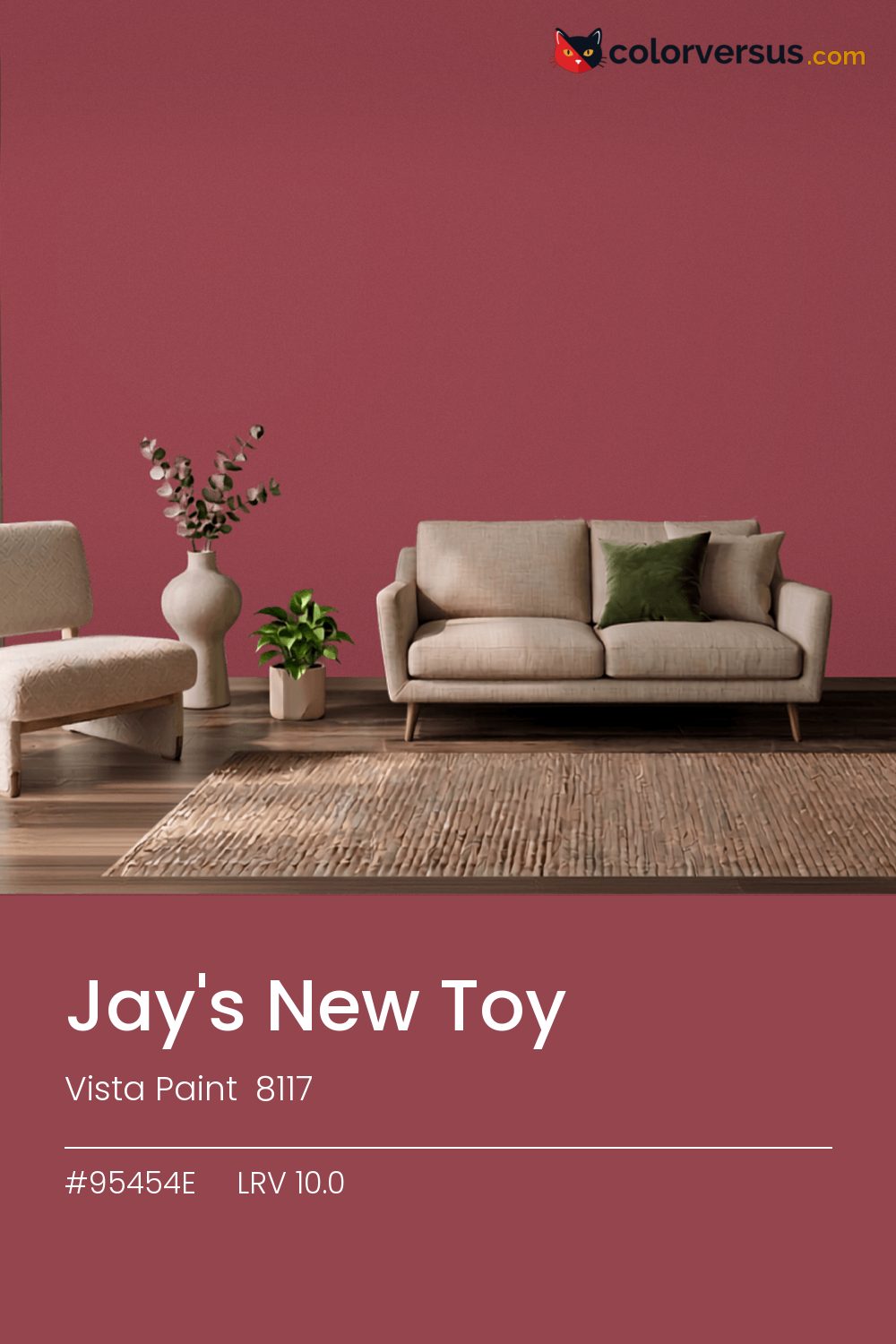
Vista Paint 8117Vista Paint 8117
Little light comes back off a wall this dark, so the pink mostly lives in memory and in direct light rather than in a glance across the room. Vista Paint catalogs it as Jay's New Toy, 8117.
At 10.0, light hits this wall and mostly stops there - plan the room's lighting as if the walls were not helping at all. Under warm light it softens; under daylight bulbs it goes hard and flat, with the pink only really visible in the warmer of the two.
In warm light this stays red; under cooler, daylight-style bulbs it can slide toward pink. It's close enough to that edge that a sample is worth checking in the room's own lighting, not under a store's. If the room already has greens in the floor, a rug, or the furniture, this color will fight it rather than sit well beside it - the two sit at opposite ends of the color spectrum, which is exactly why they clash instead of blend.
Anything pale placed against this wall will look paler than it is; anything warm-metal will look warmer. Neither is an illusion the color plays deliberately - it is simple contrast, but worth planning rather than discovering. A natural scheme here moves in three clear steps: this color on the main wall, a noticeably lighter mid-tone for a second wall or built-in, and a near-white on the ceiling. Each jump should be obvious at a glance, not something you have to squint to tell apart (roughly 10.0, 48 and 85 on the light-reflectance scale, for reference).
A single accent wall opposite the main window lets daylight hit it directly, which is where a color this dark actually shows its undertone. Benjamin Moore Wales Gray makes a good second wall color here - different enough to read as a real choice, close enough to still feel related (about 43.5 points apart in light reflectance).
If the wall has any texture or repair work, matte is worth the trade-off even though it holds up to less scrubbing than a satin or eggshell.
If the brand is not fixed, Valspar Baked Bahama (1006-3A) is the same color by measurement - delta-E 0. This is a relatively uncrowded spot in the spectrum - just 2 colors from other brands come this close.
It is lighter than 5 percent of the Vista Paint range. This is a crowded part of the scale - 533 colors measure within a point of 10.0 - so most brands will have something close. Vista Paint lists it in the K codes, alongside 1,318 other colors.
Vista Paint Jay's New Toy is a warm color: its hue angle is 17° in CIE Lab at a chroma of 36.2, with a pink.
The light reflectance value (LRV) of Vista Paint Jay's New Toy (8117) is 10.0, on a scale where 0 is absolute black and 100 is absolute white, which makes it a very dark color.
Measured on the color wheel, Vista Paint Jay's New Toy pairs with PPG Jewel Weed (1230-5, complement), Vista Paint Flickering Flame (1005, analogous, warmer), Benjamin Moore Summer Plum (2074-20, analogous, cooler), Benjamin Moore Wales Gray (1585, soft accent).
Vista Paint Jay's New Toy's hex value is #95454E, RGB 149, 69, 78.
Vista Paint Jay's New Toy is classified as a red, with a pink.
The nearest Pantone TCX color to Vista Paint Jay's New Toy is 18-1631 TCX Earth Red, delta-E 1.87; the nearest RAL Classic is RAL 4002 Red violet, delta-E 5.61.
The closest cross-brand match to Vista Paint Jay's New Toy is Valspar Baked Bahama (1006-3A), at a delta-E of 0 - close enough to be the same color by measurement.
| HEX | #95454E |
| RGB | 149, 69, 78 |
| CMYK | 0%, 54%, 48%, 42% |
| HSL | 353°, 37%, 43% |
| HSV | 353°, 54%, 58% |
| CIE Lab | 39.91, 34.5, 10.81 |
| LCh | 39.91, 36.15, 17.4° |
| XYZ | 15.9, 11.2, 8.53 |
| Pantone (nearest) | 18-1631 TCX Earth Red · ΔE 1.87 |
| RAL (nearest) | RAL 4002 Red violet · ΔE 5.61 |
| 18-1631 TCX Earth Red | ΔE 1.87 | |
| RAL 4002 Red violet | ΔE 5.61 |
Pantone TCX and RAL Classic are physical standards; these are their published sRGB approximations, so check a fan deck before specifying. Pantone® and RAL are trademarks of their respective owners.
Shades mix the color toward black, tints toward white. Click any step to find the paint colors closest to it.
One image with Jay's New Toy and its closest color at every other brand, measured by delta-E.
 Red EarthFarrow & Ball 64
 Southwest PotteryBenjamin Moore 048
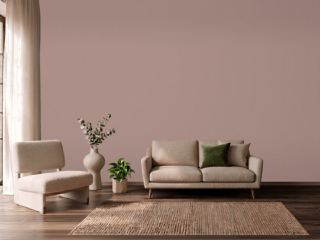 Sulking Room PinkFarrow & Ball 295
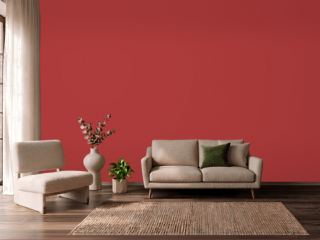 IndiscreetBehr UL110-6
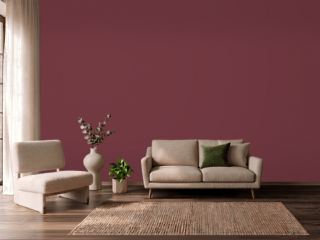 Fine WineSherwin-Williams SW 6307
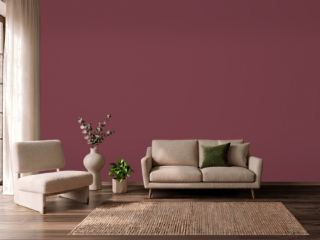 Wine TastingBehr S-H-110
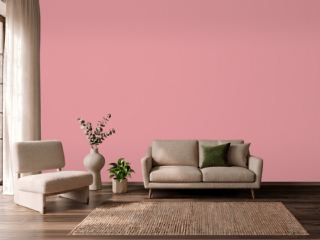 Secret GardenBenjamin Moore 1284
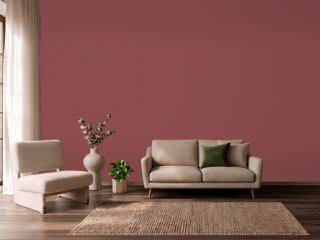 Eating Room RedFarrow & Ball 43
 Charming PinkSherwin-Williams SW 6309
 Berry TaffyValspar 1006-6C
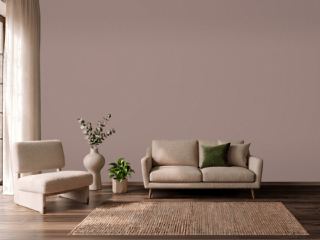 Cocoa BerrySherwin-Williams SW 9078
 Ballet SlippersBenjamin Moore 1331
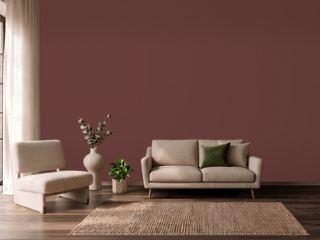 Chipotle PasteBehr PPU2-1
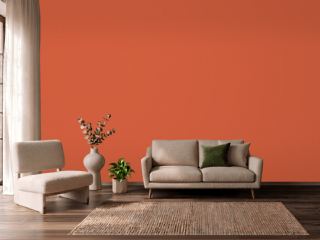 Charlotte's LocksFarrow & Ball 268
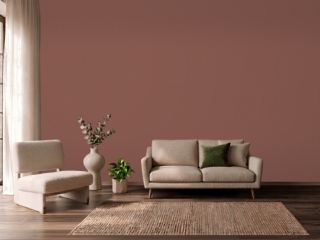 Canyon ClaySherwin-Williams SW 6054
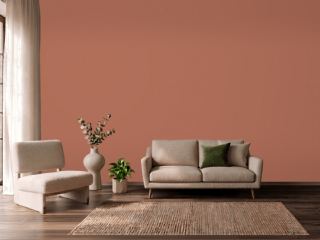 Sunset OrangeBehr BXC-39