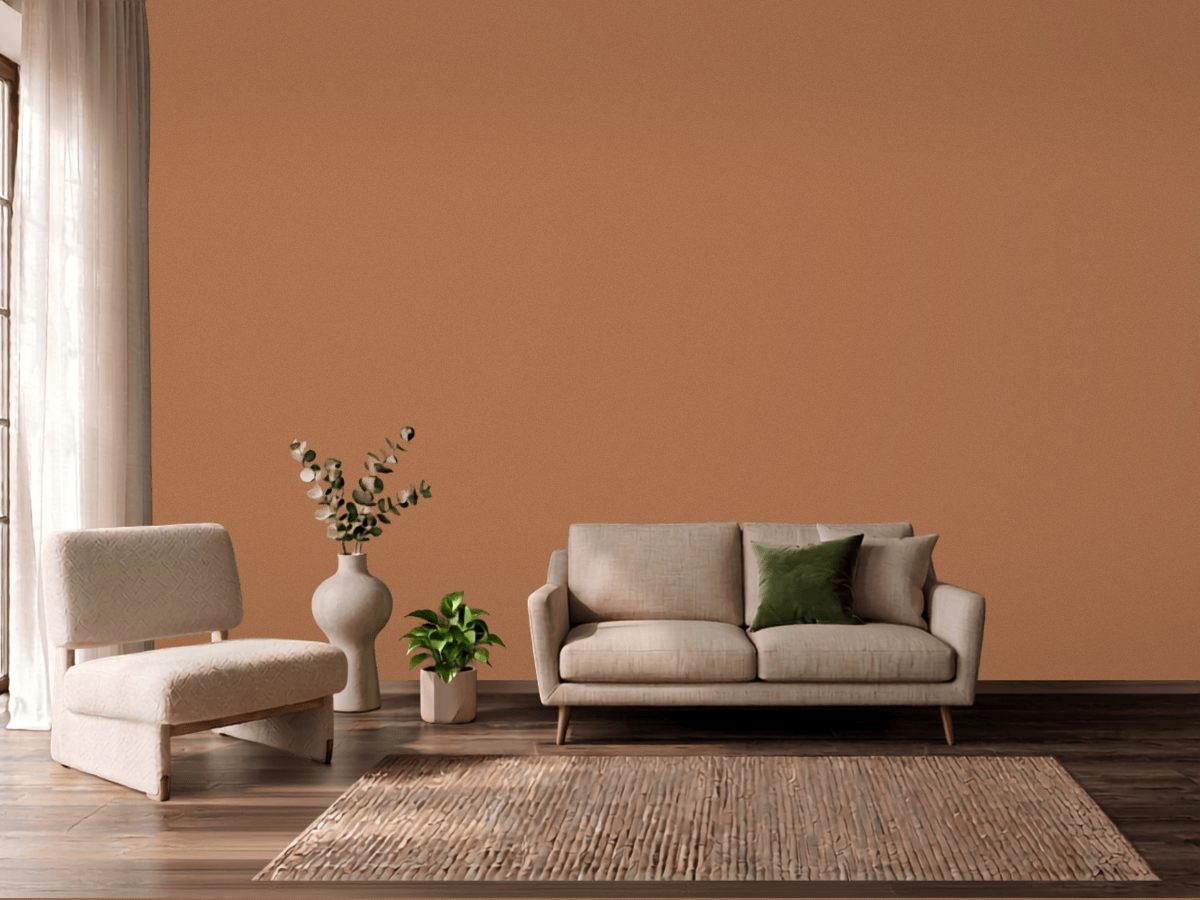
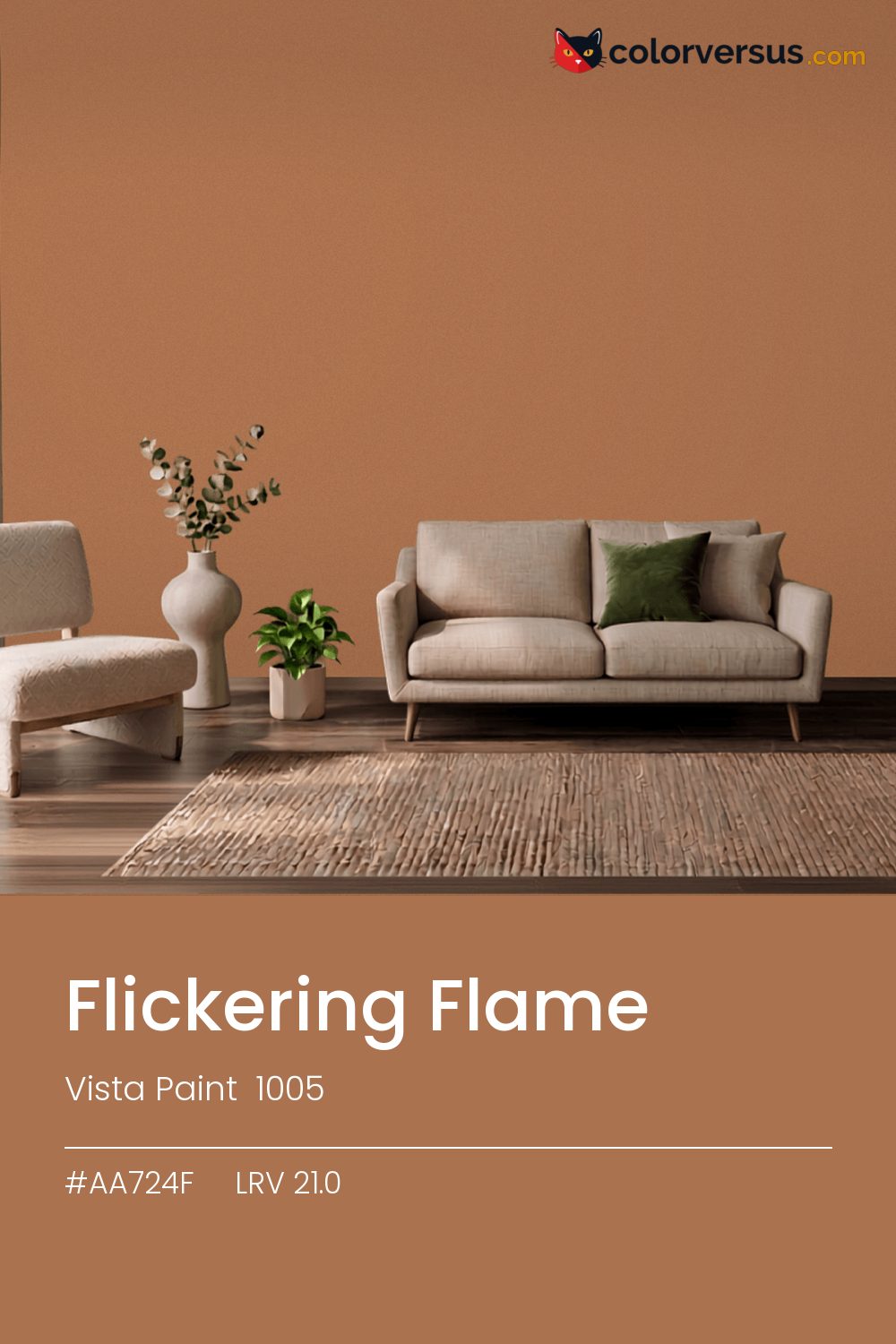
Vista Paint 1005Vista Paint 1005
Strong enough that it sets the palette for the room, not the other way around. 1005 in the Vista Paint range.
Chroma 33.6 is high enough that the color will bounce onto light surfaces, so expect it everywhere, not only on the wall. In a room with plenty of natural light, this can cover more wall area than it could in a dim one, where the same color reads heavier.
In a room that gets little direct sun, this color's warmth does some of the work daylight would otherwise be doing. LRV 21.0 tells you how much light comes back, which matters less here than how much color comes with it.
This color sits right on the line between orange and red - cooler light nudges it toward red, warmer light keeps it in orange (about 7° apart on the color wheel, for anyone measuring). Worth checking before committing to a full wall: blues and cool greys nearby - in a floor, a rug, a piece of furniture - will read as a clash here, not a complement, since the two colors sit at opposite ends of the spectrum.
The lighter the trim beside this, the more it will seem to glow - a side effect of the light-reflectance gap rather than anything special about the trim color. The safest multi-color scheme moves from this dark wall to a noticeably lighter secondary tone, then to a near-white ceiling - three genuinely different depths rather than three shades of the same idea (LRV 21.0, 53 and 85, if you're matching by the numbers).
Benjamin Moore Early Frost pairs well as a second surface - close enough in feel to belong in the same room, far enough in lightness to read as two distinct walls (about 39.6 points apart on the reflectance scale). Matte suits a color this strong - a glossier sheen would turn every light source in the room into a visible hotspot on the wall.
For anyone tied to a different brand, PPG Ginger Spice (1070-6) is the nearest stand-in, at a delta-E of 2.03. No other brand has a color within delta-E 2 of this one - a genuinely uncommon shade.
It is lighter than 19 percent of the Vista Paint range. Vista Paint lists it in the C codes, alongside 1,421 other colors.
Vista Paint Flickering Flame is a warm color: its hue angle is 57° in CIE Lab at a chroma of 33.6, with a orange.
The light reflectance value (LRV) of Vista Paint Flickering Flame (1005) is 21.0, on a scale where 0 is absolute black and 100 is absolute white, which makes it a dark color.
Measured on the color wheel, Vista Paint Flickering Flame pairs with Benjamin Moore Sailor's Sea Blue (2063-40, complement), Behr Pistachio (MQ4-42, analogous, warmer), Vista Paint Ode to Joy (1137, analogous, cooler), Benjamin Moore Early Frost (CSP-590, soft accent).
Vista Paint Flickering Flame's hex value is #AA724F, RGB 170, 114, 79.
Vista Paint Flickering Flame is classified as a orange, with a orange.
The nearest Pantone TCX color to Vista Paint Flickering Flame is 17-1336 TCX Bran, delta-E 1.72; the nearest RAL Classic is RAL 1011 Brown beige, delta-E 8.78.
The closest cross-brand match to Vista Paint Flickering Flame is PPG Ginger Spice (1070-6), at a delta-E of 2.03.
| HEX | #AA724F |
| RGB | 170, 114, 79 |
| CMYK | 0%, 33%, 54%, 33% |
| HSL | 23°, 37%, 49% |
| HSV | 23°, 54%, 67% |
| CIE Lab | 53.11, 18.18, 28.28 |
| LCh | 53.11, 33.62, 57.3° |
| XYZ | 24.01, 21.15, 10.21 |
| Pantone (nearest) | 17-1336 TCX Bran · ΔE 1.72 |
| RAL (nearest) | RAL 1011 Brown beige · ΔE 8.78 |
| 17-1336 TCX Bran | ΔE 1.72 | |
| 17-1143 TCX Hazel | ΔE 1.86 | |
| 17-1137 TCX Cashew | ΔE 3.33 | |
| RAL 1011 Brown beige | ΔE 8.78 |
Pantone TCX and RAL Classic are physical standards; these are their published sRGB approximations, so check a fan deck before specifying. Pantone® and RAL are trademarks of their respective owners.
Shades mix the color toward black, tints toward white. Click any step to find the paint colors closest to it.
One image with Flickering Flame and its closest color at every other brand, measured by delta-E.
 Luscious LemonBehr HDC-MD-24
 Friendly TanValspar 2008-8A
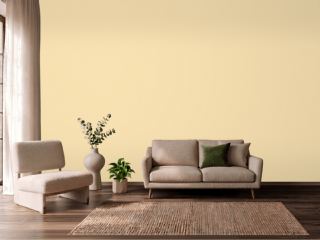 Banana CreamSherwin-Williams SW 6673
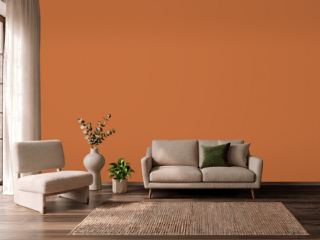 YamSherwin-Williams SW 6643
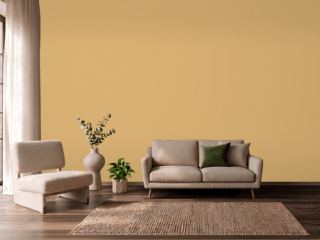 Tavern OchreBenjamin Moore CW-375
 SoléSherwin-Williams SW 6896
 Butter UpSherwin-Williams SW 6681
 Champagne PinkValspar 2004-4C
 PastaDunn-Edwards DE5331
 GranolaDunn-Edwards DE5296
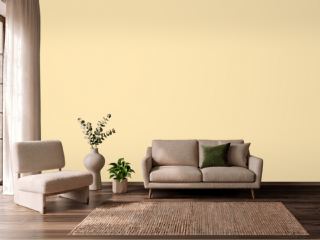 They call it MellowSherwin-Williams SW 9015
 Friendly YellowSherwin-Williams SW 6680
 Dorset CreamFarrow & Ball 68
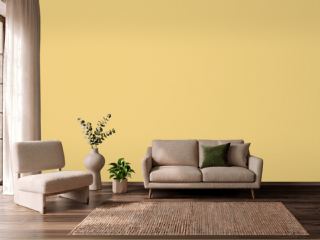 CitronFarrow & Ball 74
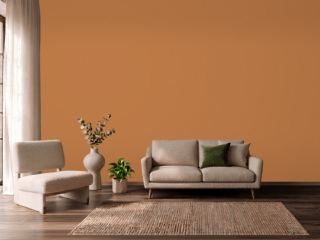 PumpkinVista Paint 1335
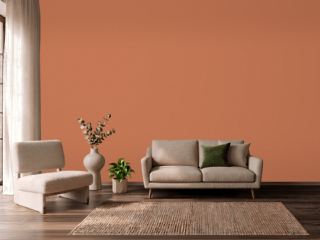 Brick OrangeDutch Boy 7476