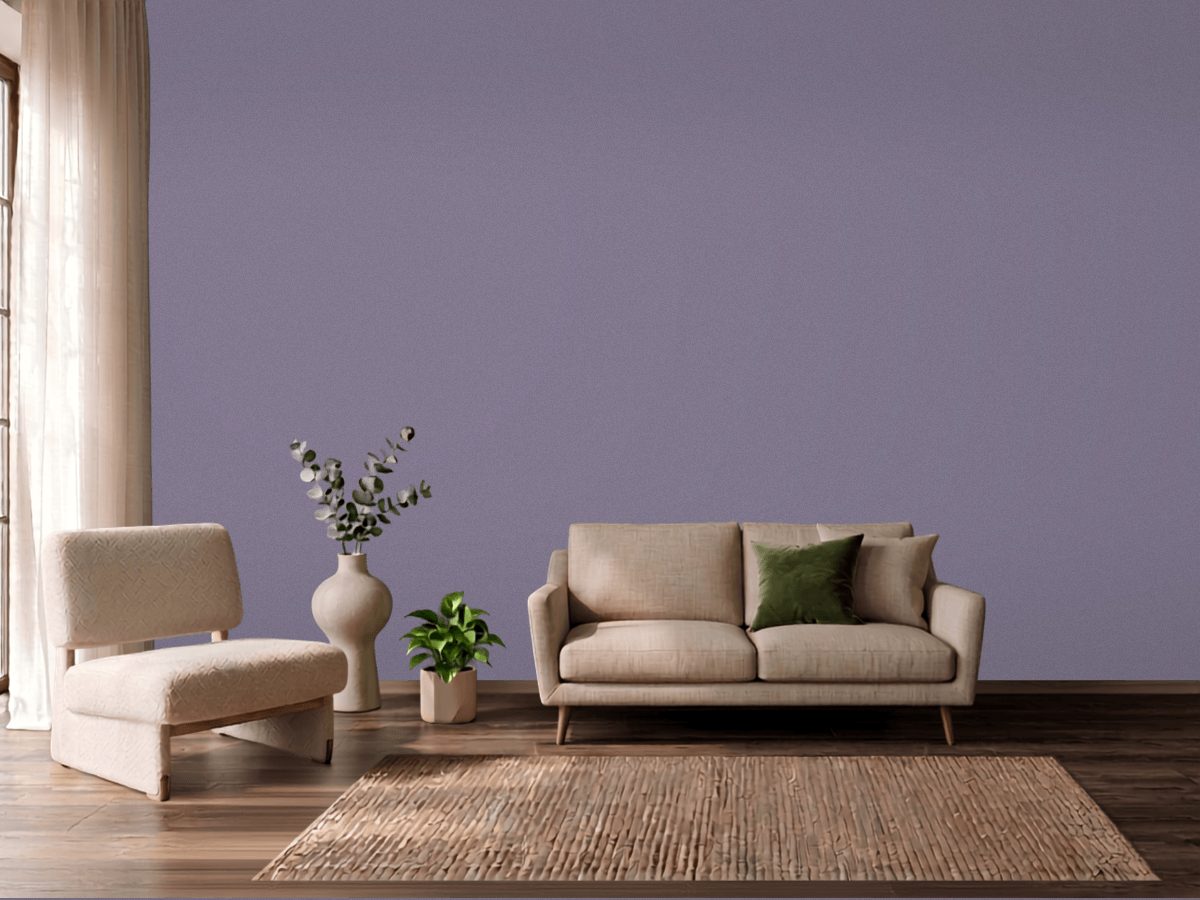
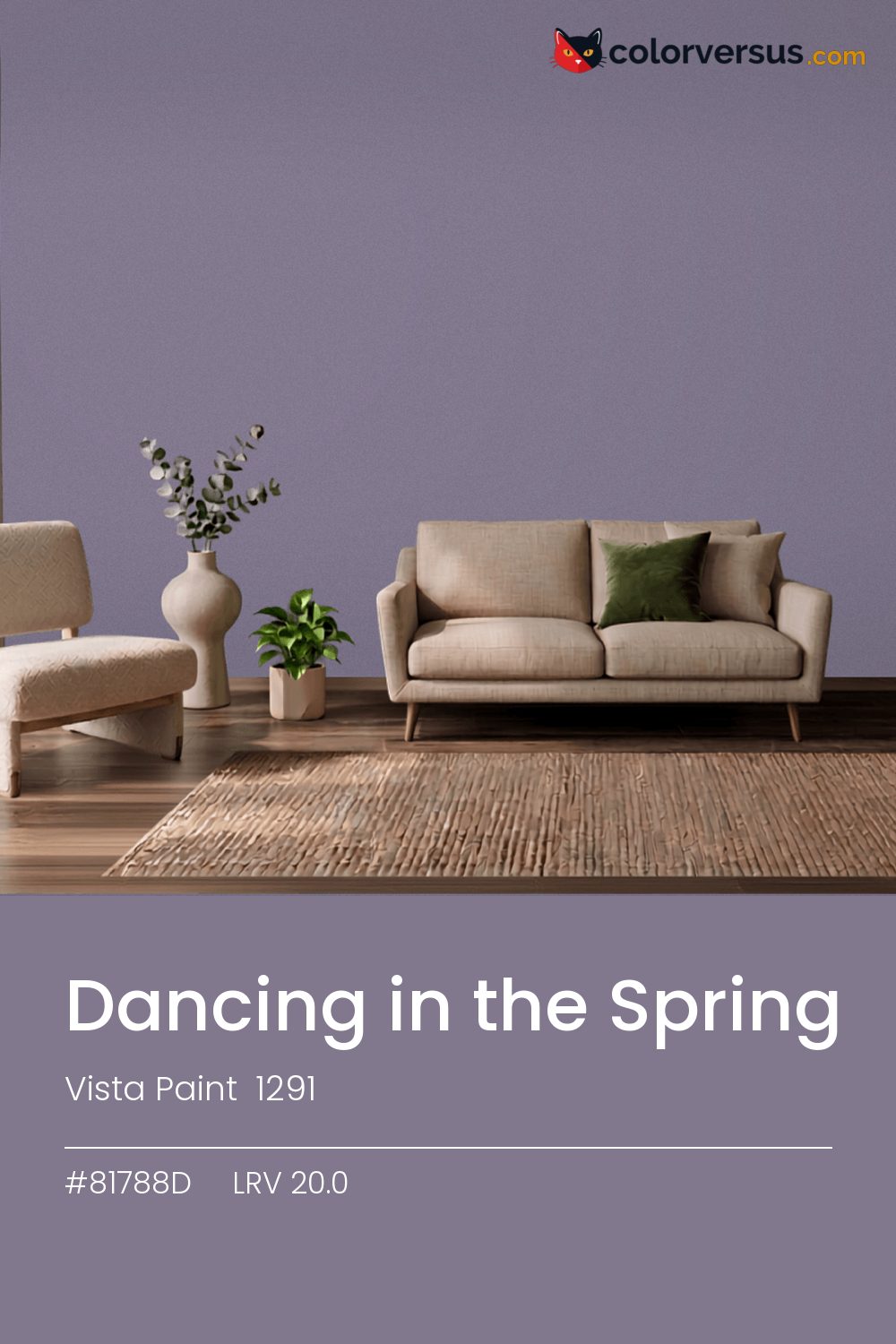
Vista Paint 1291Vista Paint 1291
It has enough violet undertone to be read as a color, and enough depth to hold a wall. Vista Paint catalogs it as Dancing in the Spring, 1291.
At LRV 20.0 it sits where most rooms want a wall: light enough to feel open, dark enough to have a surface. A chroma of 12.7 is enough to register as a real color choice, without the intensity that would force the rest of a room to match it.
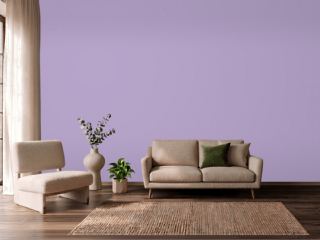
Works as a whole-room color in spaces that are lived in rather than passed through, where its depth has time to register. A warm bulb is the easiest fix if this reads colder than expected once it is on the wall. Valspar Polar Star makes a good second wall color here - different enough to read as a real choice, close enough to still feel related (about 47 points apart in light reflectance).
Worth checking before committing to a full wall: yellows and warm gold nearby - in a floor, a rug, a piece of furniture - will read as a clash here, not a complement, since the two colors sit at opposite ends of the spectrum.
Anything pale placed against this wall will look paler than it is; anything warm-metal will look warmer. Neither is an illusion the color plays deliberately - it is simple contrast, but worth planning rather than discovering. The safest multi-color scheme moves from this dark wall to a noticeably lighter secondary tone, then to a near-white ceiling - three genuinely different depths rather than three shades of the same idea (LRV 20.0, 53 and 85, if you're matching by the numbers).
Switching brands, Sherwin-Williams Mythical (SW 6550) is the closest equivalent at delta-E 1.48, near enough for most rooms. Only 2 other-brand colors land within delta-E 2 of this one, which makes it comparatively unusual. Matte holds the color truest; a subtle sheen will lift it half a shade under lamps.
It is lighter than 18 percent of the Vista Paint range. Vista Paint lists it in the C codes, alongside 1,421 other colors.
Vista Paint Dancing in the Spring sits between warm and cool: its hue angle is 307° in CIE Lab at a chroma of 12.8, with a violet undertone.
The light reflectance value (LRV) of Vista Paint Dancing in the Spring (1291) is 20.0, on a scale where 0 is absolute black and 100 is absolute white, which makes it a dark color.
Measured on the color wheel, Vista Paint Dancing in the Spring pairs with Vista Paint Cactus Valley (0752, complement), Sherwin-Williams Berry Cream (SW 9075, analogous, warmer), PPG Old Mill Blue (1171-6, analogous, cooler), Valspar Polar Star (4005-1A, soft accent).
Vista Paint Dancing in the Spring's hex value is #81788D, RGB 129, 120, 141.
Vista Paint Dancing in the Spring is classified as a purple, with a violet undertone.
The nearest Pantone TCX color to Vista Paint Dancing in the Spring is 17-3812 TCX Dusk, delta-E 3.69; the nearest RAL Classic is RAL 4012 Pearl blackberry, delta-E 7.43. Neither is an exact match.
The closest cross-brand match to Vista Paint Dancing in the Spring is Sherwin-Williams Mythical (SW 6550), at a delta-E of 1.48.
| HEX | #81788D |
| RGB | 129, 120, 141 |
| CMYK | 9%, 15%, 0%, 45% |
| HSL | 266°, 8%, 51% |
| HSV | 266°, 15%, 55% |
| CIE Lab | 51.86, 7.72, -10.15 |
| LCh | 51.86, 12.75, 307.3° |
| XYZ | 20.58, 20.02, 27.97 |
| Pantone (nearest) | 17-3812 TCX Dusk · ΔE 3.69 |
| RAL (nearest) | RAL 4012 Pearl blackberry · ΔE 7.43 |
| 17-3812 TCX Dusk | ΔE 3.69 | |
| 18-3710 TCX Gray Ridge | ΔE 4.72 | |
| 17-3810 TCX Purple Ash | ΔE 4.98 | |
| RAL 4012 Pearl blackberry | ΔE 7.43 |
Pantone TCX and RAL Classic are physical standards; these are their published sRGB approximations, so check a fan deck before specifying. Pantone® and RAL are trademarks of their respective owners.
Shades mix the color toward black, tints toward white. Click any step to find the paint colors closest to it.
One image with Dancing in the Spring and its closest color at every other brand, measured by delta-E.
 Passionate PurpleSherwin-Williams SW 6981
 Smashed GrapeDunn-Edwards DE5963
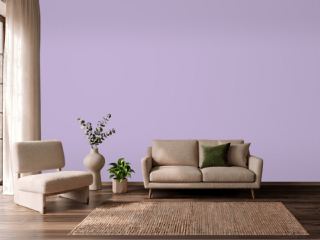 MagicalSherwin-Williams SW 6829
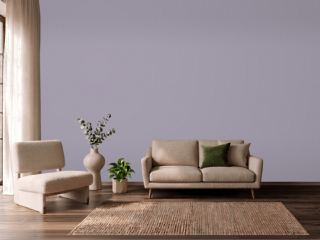 Ash VioletSherwin-Williams SW 6549
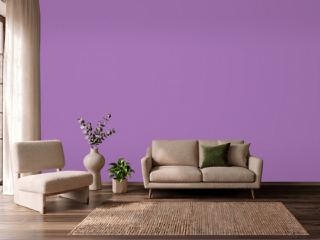 Bell HeatherPPG 1250-6
 Lavender LilacVista Paint 7153
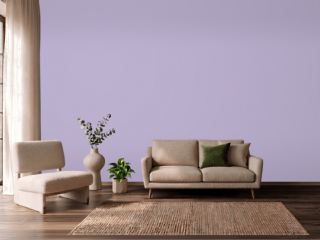 Orchid HouseValspar 1001-6A
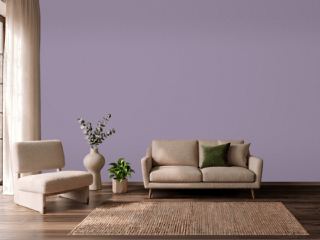 Berry CreamSherwin-Williams SW 9075
 Rhapsody LilacSherwin-Williams SW 6828
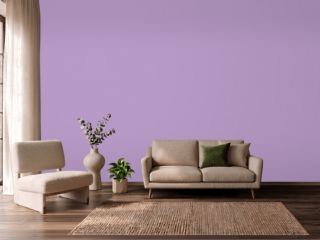 Atlantic TulipBehr 660B-5
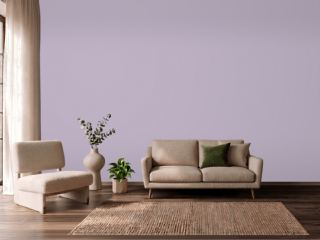 Courtly PurpleBehr S100-3
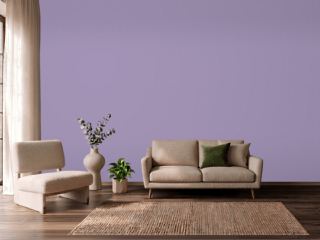 Iris BlossomValspar 1001-5C
 Plum CakeVista Paint 1232
 Plum's the WordVista Paint 1239
 Berry FrappéSherwin-Williams SW 9068
 Teary EyedBehr P570-1