 ComparisonComparison
Dunn-Edwards DE5606 and Valspar 5008-5C, ΔE 4.32 apart
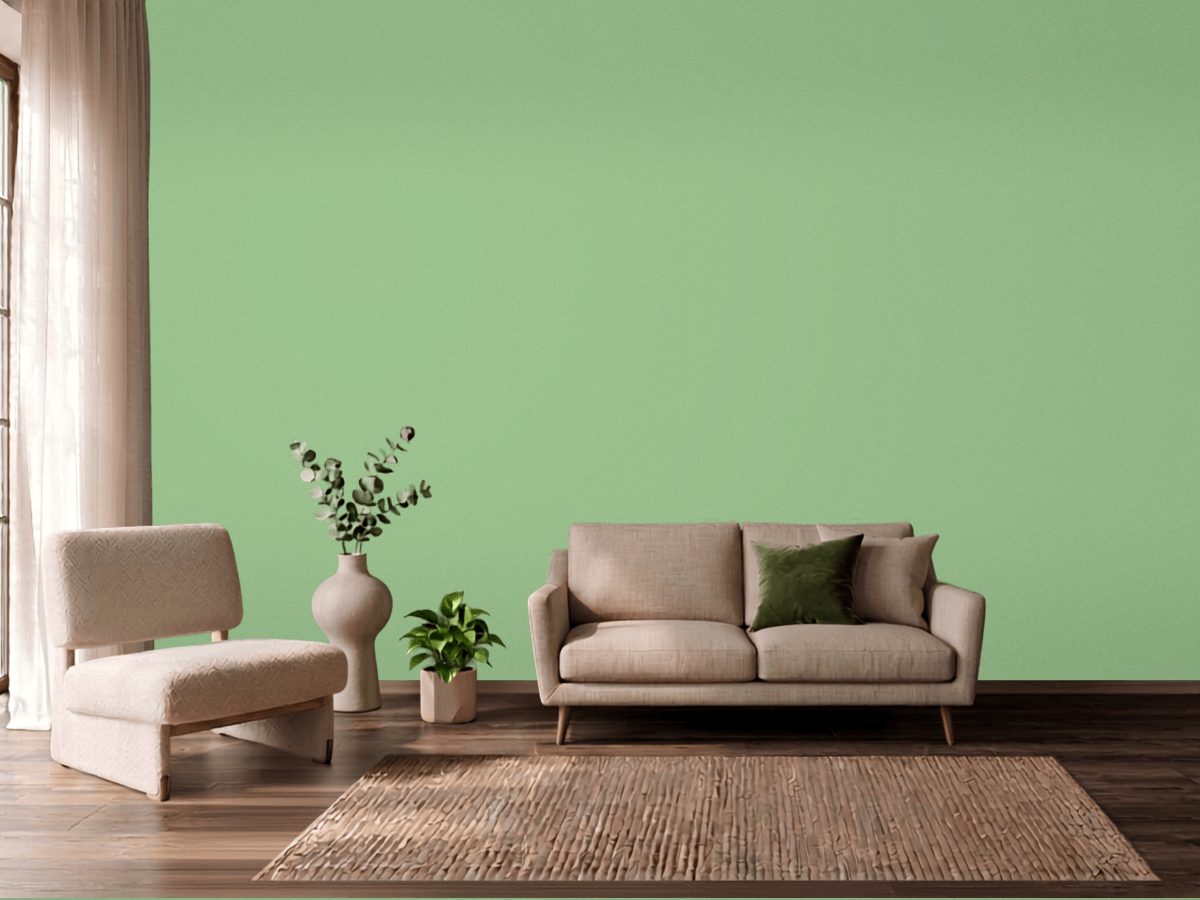
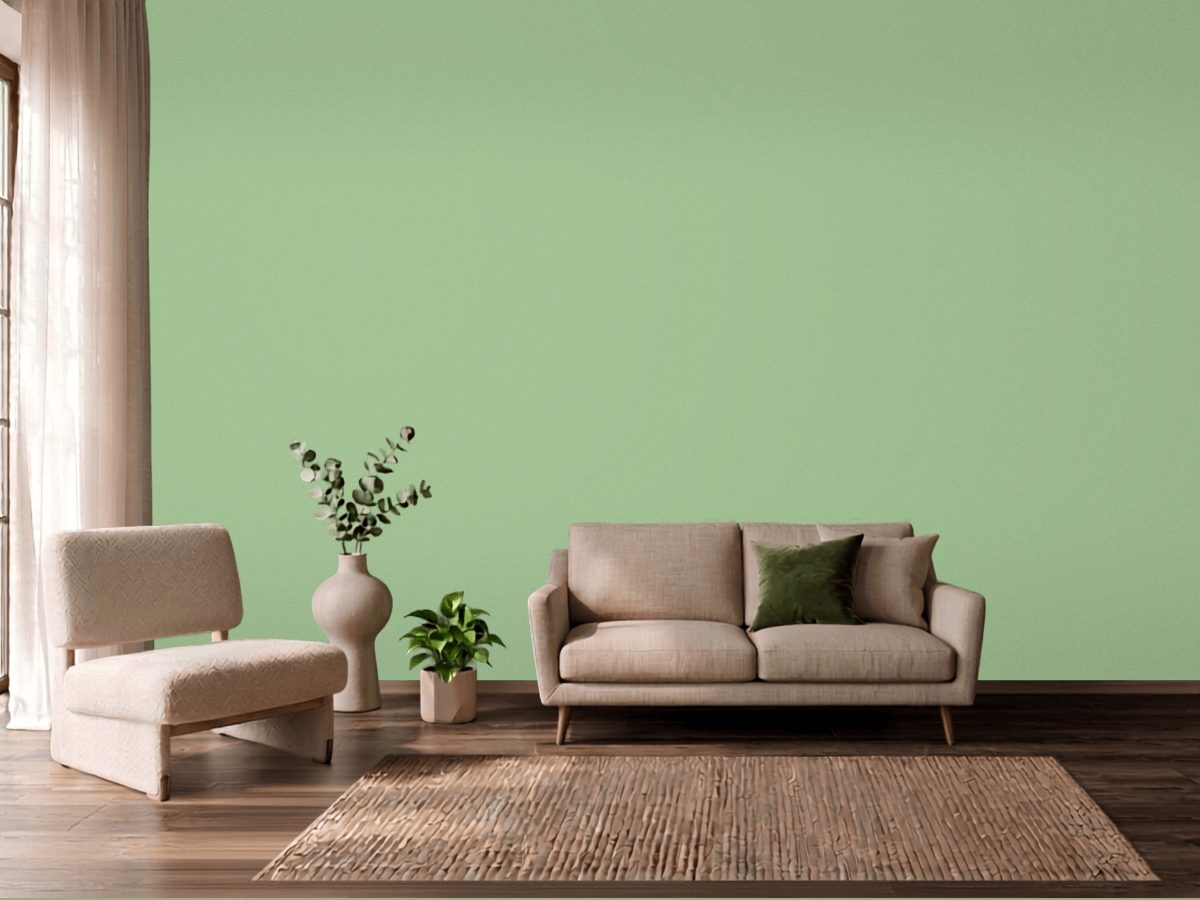
Dunn-Edwards Rolling Hills (DE5606) and Valspar Heartland Frosty (5008-5C) measure a delta-E of 4.32 apart. They sit within 0.9 LRV points of each other, so neither will look brighter than the other on the same wall. Rolling Hills holds more color, chroma 30.5 against 26.3, so it grays out less in dim light. These read as related but distinct. Sample both before committing. If you need the Rolling Hills depth in Valspar's line, start from its LRV of 46.1 rather than matching by name.
Dunn-Edwards Rolling Hills and Valspar Heartland Frosty are delta-E 4.32 apart - a difference that shows up on a wall, not just side by side on two chips.
The measured color distance between Dunn-Edwards Rolling Hills and Valspar Heartland Frosty is delta-E 4.32.
Dunn-Edwards Rolling Hills carries more color than Valspar Heartland Frosty - a higher chroma value means a more intense, less grey color.
| Rolling Hills | Heartland Frosty | |
|---|---|---|
| Brand | Dunn-Edwards | Valspar |
| Code | DE5606 | 5008-5C |
| Hex | #9ABF8D | #A2C094 |
| Light reflectance | 46.1 | 47.0 |
| Undertone | yellow-green | yellow-green |
| Chroma | 30.5 | 26.3 |
| Hue angle | 135.7° | 134.1° |
| Color family | green | green |