 ComparisonComparison
Benjamin Moore 1486 and Farrow & Ball 266, ΔE 1.91 apart
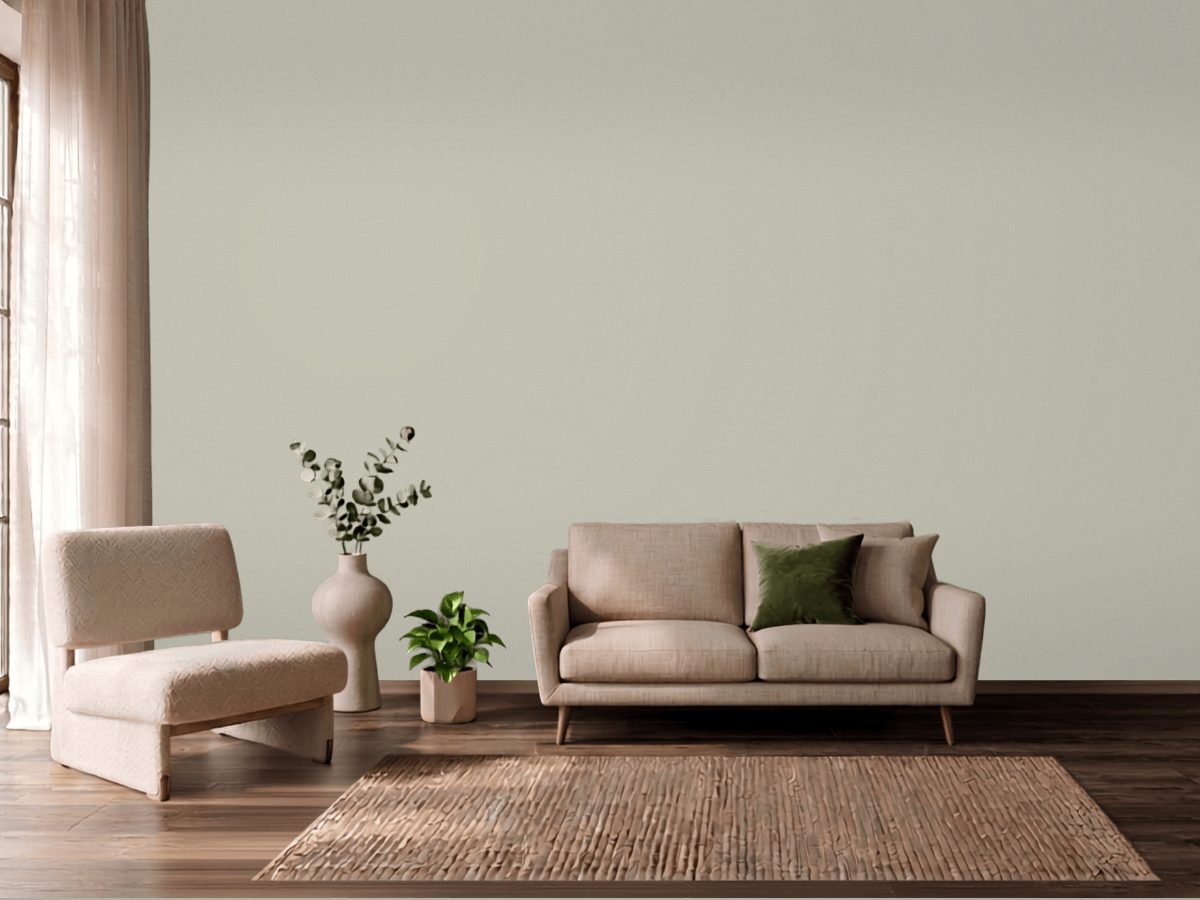
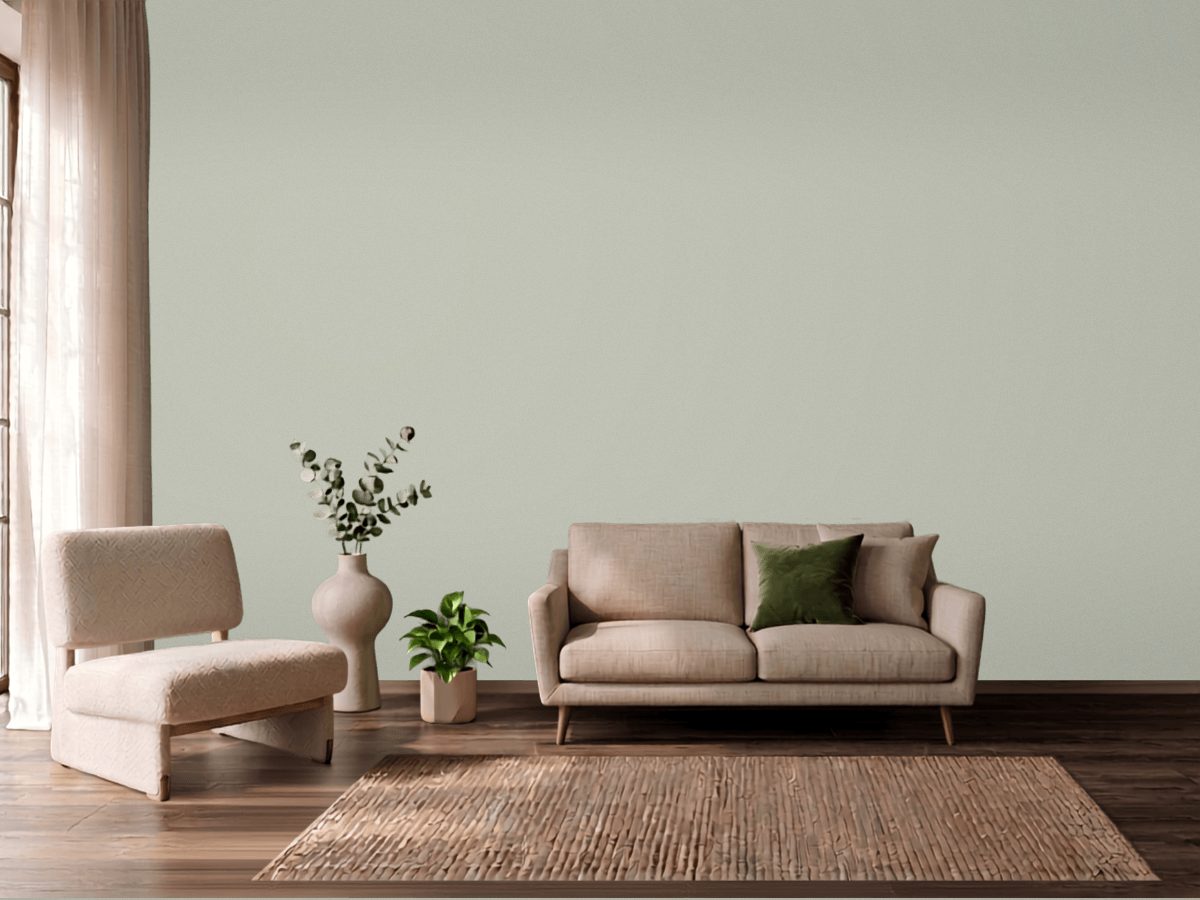
Benjamin Moore Winterwood (1486) and Farrow & Ball Mizzle (266) measure a delta-E of 1.91 apart. They sit within 1.3 LRV points of each other, so neither will look brighter than the other on the same wall. Both carry a similar amount of color, at chroma 7.5 and 7.6. The undertones part company: Winterwood reads as a yellow undertone at hue angle 103.7 degrees, Mizzle as a yellow-green undertone at 118.1. The difference is measurable but subtle. It shows on a large wall in strong daylight and disappears under lamplight. If you need the Winterwood depth in Farrow & Ball's line, start from its LRV of 51.0 rather than matching by name.
Not quite, but close - Benjamin Moore Winterwood and Farrow & Ball Mizzle are delta-E 1.91 apart, close enough that most rooms would not show the difference.
The measured color distance between Benjamin Moore Winterwood and Farrow & Ball Mizzle is delta-E 1.91.
Farrow & Ball Mizzle is lighter than Benjamin Moore Winterwood by 1.3 points of light reflectance (LRV).
| Winterwood | Mizzle | |
|---|---|---|
| Brand | Benjamin Moore | Farrow & Ball |
| Code | 1486 | 266 |
| Hex | #C1BFB1 | #BEC1B3 |
| Light reflectance | 51.0 | 52.3 |
| Undertone | yellow undertone | yellow-green undertone |
| Chroma | 7.5 | 7.6 |
| Hue angle | 103.7° | 118.1° |
| Color family | yellow | green |