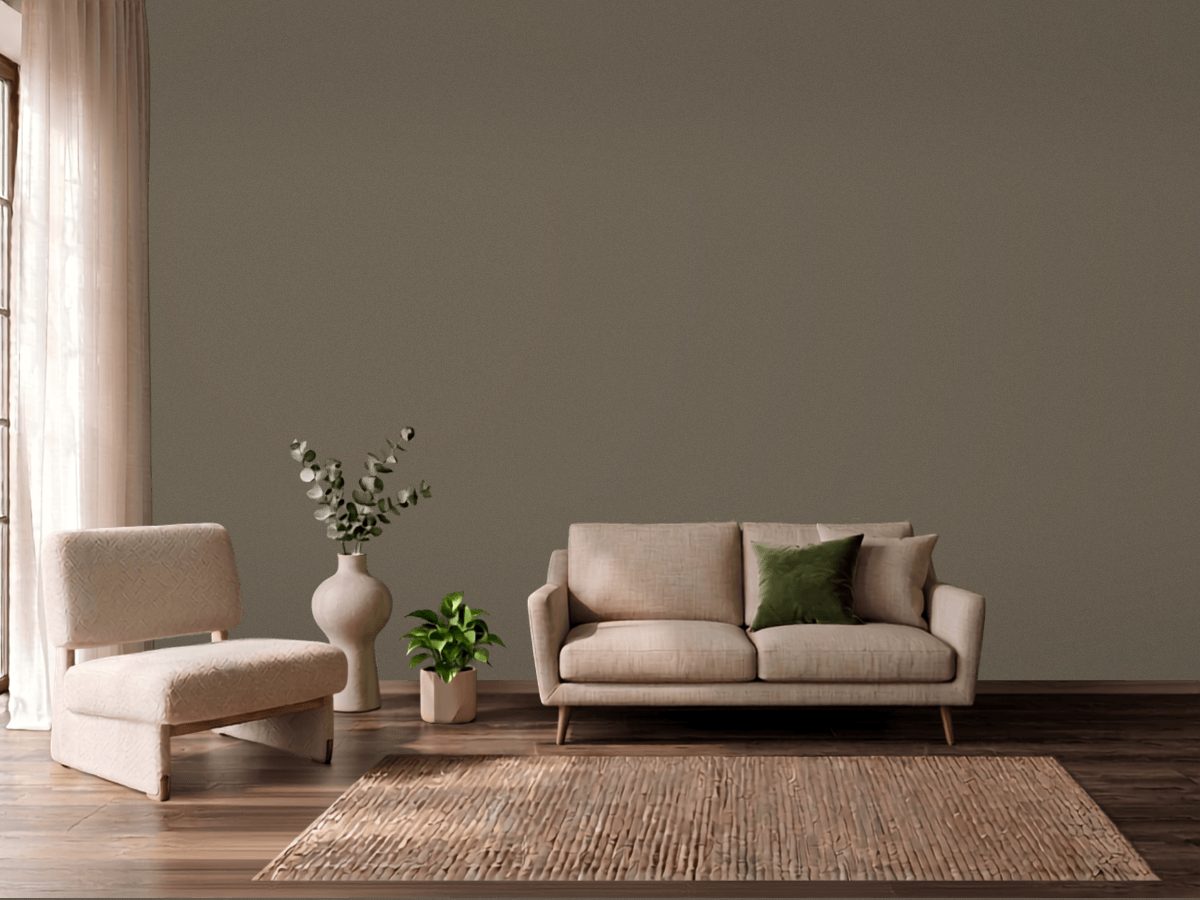
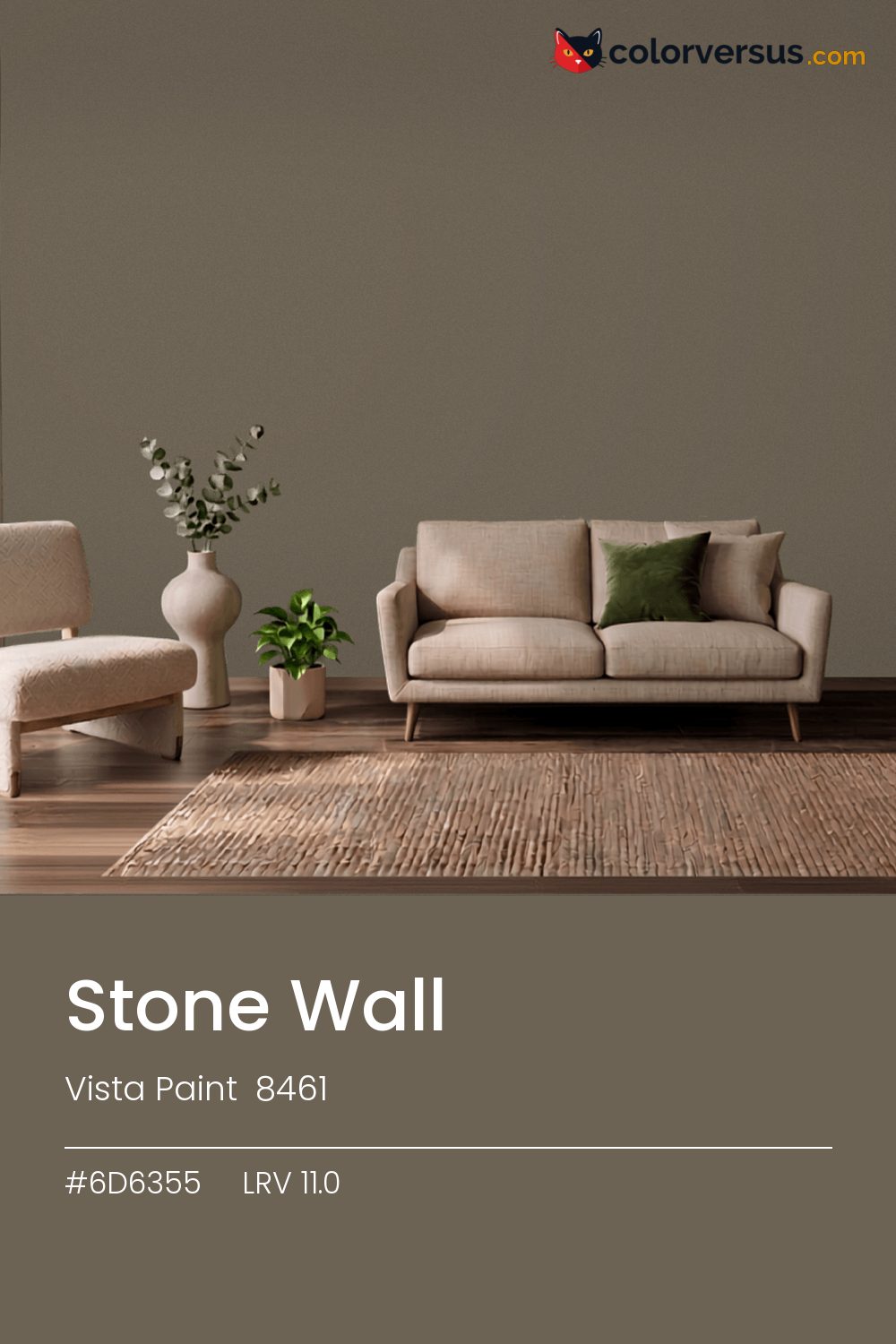
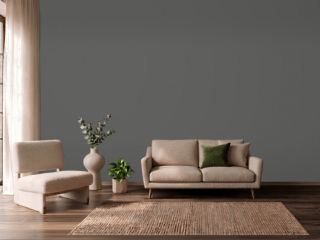
Vista Paint 8461Vista Paint 8461
This is at the bottom of the scale, where a color stops being a backdrop and the yellow undertone sits underneath, felt rather than seen outright. Vista Paint files it as 8461.
11.0 on the light-reflectance scale is near the floor - this color adds shadow to a room rather than taking it away. It swallows shadow, so the room reads by its light sources and architectural lines.
If the room already has blues and cool greys in the floor, a rug, or the furniture, this color will fight it rather than sit well beside it - the two sit at opposite ends of the color spectrum, which is exactly why they clash instead of blend.
Next to it, white trim reads brighter and cooler than it does anywhere else in the house - the gap in light reflectance is what does that, not the trim paint itself. A natural scheme here moves in three clear steps: this color on the main wall, a noticeably lighter mid-tone for a second wall or built-in, and a near-white on the ceiling. Each jump should be obvious at a glance, not something you have to squint to tell apart (roughly 11.0, 48 and 85 on the light-reflectance scale, for reference).
In a small, enclosed room - a powder room, a reading nook - this can work on every wall, since there is no large floor area losing light to it. For a secondary wall, Benjamin Moore Silent Night gives a natural step up in brightness without feeling like a mismatch (roughly 34.4 LRV points apart).
A color this deep already reads as dramatic; a low-sheen finish lets the color carry that without competing highlights.
For anyone tied to a different brand, Farrow & Ball Salon Drab (290) is the nearest stand-in, at a delta-E of 1.15. This is not a rare shade: 4 colors from other brands sit within delta-E 2 of it.
It is lighter than 8 percent of the Vista Paint range. This is a crowded part of the scale - 546 colors measure within a point of 11.0 - so most brands will have something close. Vista Paint lists it in the K codes, alongside 1,318 other colors.
Vista Paint Stone Wall is a warm color: its hue angle is 81° in CIE Lab at a chroma of 9.5, with a yellow undertone.
The light reflectance value (LRV) of Vista Paint Stone Wall (8461) is 11.0, on a scale where 0 is absolute black and 100 is absolute white, which makes it a very dark color.
Measured on the color wheel, Vista Paint Stone Wall pairs with Behr Mesmerize (590F-6, complement), Sherwin-Williams Artichoke (SW 6179, analogous, warmer), Behr Spanish Raisin (720B-7, analogous, cooler), Benjamin Moore Silent Night (1613, soft accent).
Vista Paint Stone Wall's hex value is #6D6355, RGB 109, 99, 85.
Vista Paint Stone Wall is classified as a black, with a yellow undertone.
The nearest Pantone TCX color to Vista Paint Stone Wall is 18-0615 TCX Stone Gray, delta-E 2.19; the nearest RAL Classic is RAL 7039 Quartz grey, delta-E 4.73.
The closest cross-brand match to Vista Paint Stone Wall is Farrow & Ball Salon Drab (290), at a delta-E of 1.15.
| HEX | #6D6355 |
| RGB | 109, 99, 85 |
| CMYK | 0%, 9%, 22%, 57% |
| HSL | 35°, 12%, 38% |
| HSV | 35°, 22%, 43% |
| CIE Lab | 42.51, 1.46, 9.4 |
| LCh | 42.51, 9.51, 81.2° |
| XYZ | 12.41, 12.83, 10.42 |
| Pantone (nearest) | 18-0615 TCX Stone Gray · ΔE 2.19 |
| RAL (nearest) | RAL 7039 Quartz grey · ΔE 4.73 |
| 18-0615 TCX Stone Gray | ΔE 2.19 | |
| 18-0513 TCX Bungee Cord | ΔE 2.21 | |
| 18-1015 TCX Shitake | ΔE 3.3 | |
| RAL 7039 Quartz grey | ΔE 4.73 | |
| RAL 7006 Beige grey | ΔE 4.86 |
Pantone TCX and RAL Classic are physical standards; these are their published sRGB approximations, so check a fan deck before specifying. Pantone® and RAL are trademarks of their respective owners.
Shades mix the color toward black, tints toward white. Click any step to find the paint colors closest to it.
One image with Stone Wall and its closest color at every other brand, measured by delta-E.
 NavalSherwin-Williams SW 6244
 Pewter GreenSherwin-Williams SW 6208
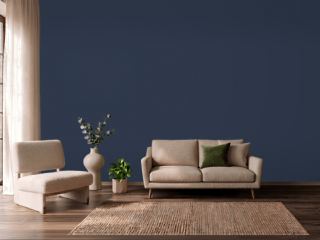
 Old MillDunn-Edwards DEA185
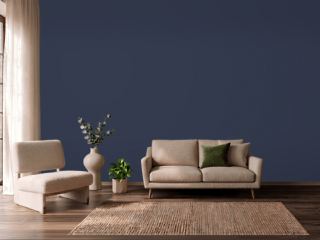
 Deep RoyalBenjamin Moore 2061-10
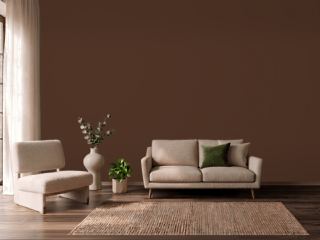 French RoastSherwin-Williams SW 6069
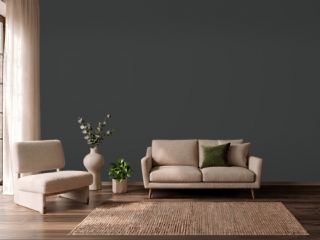 CarbonBehr N520-7
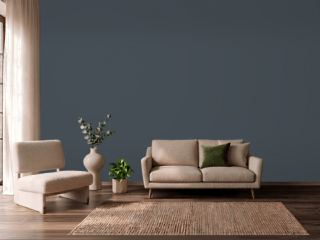 In the NavyVista Paint 8269
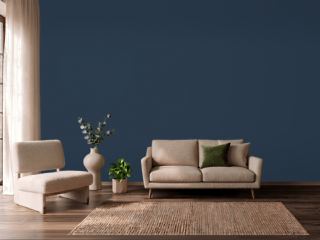 North SeaBenjamin Moore CC-932
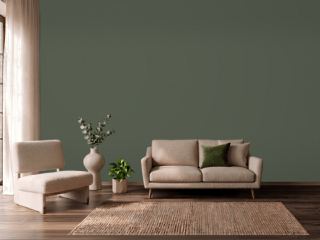 Vintage VogueBenjamin Moore 462
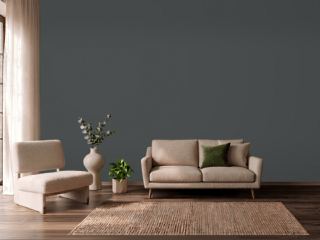 NightfallBenjamin Moore 1596
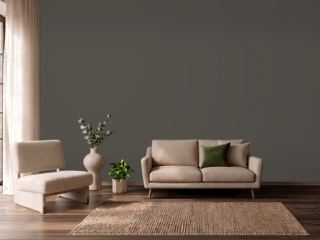 Urbane BronzeSherwin-Williams SW 7048
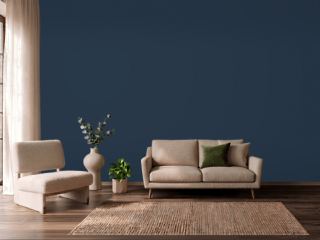 In the NavySherwin-Williams SW 9178
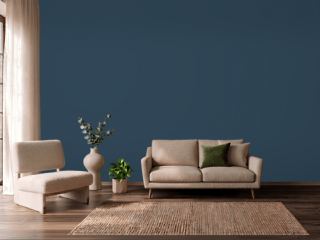 Gentleman's GrayBenjamin Moore 2062-20
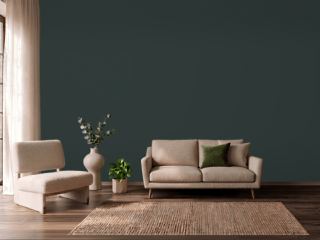 Rookwood Shutter GreenSherwin-Williams SW 2809
 Charcoal SmudgeDunn-Edwards DE6370
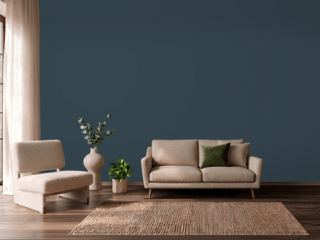 Gale ForceSherwin-Williams SW 7605