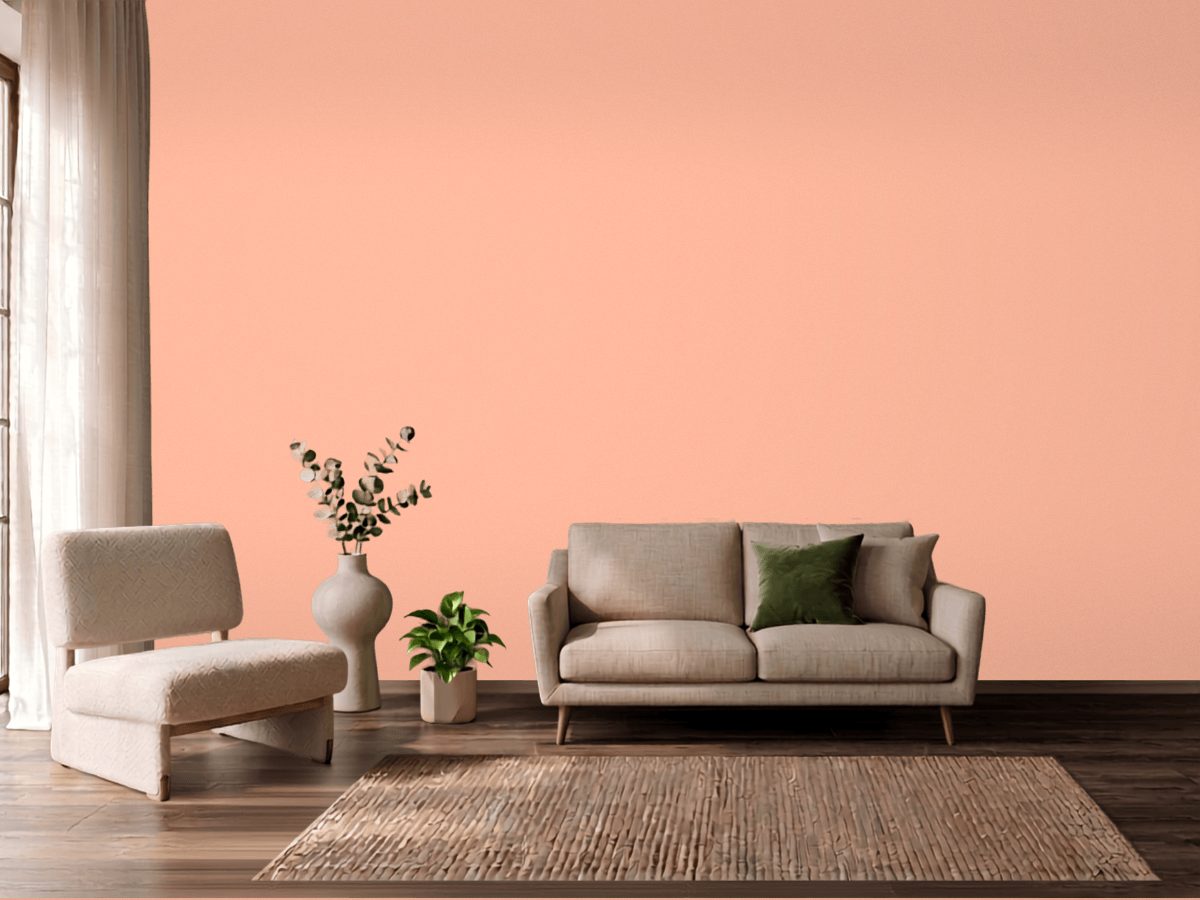
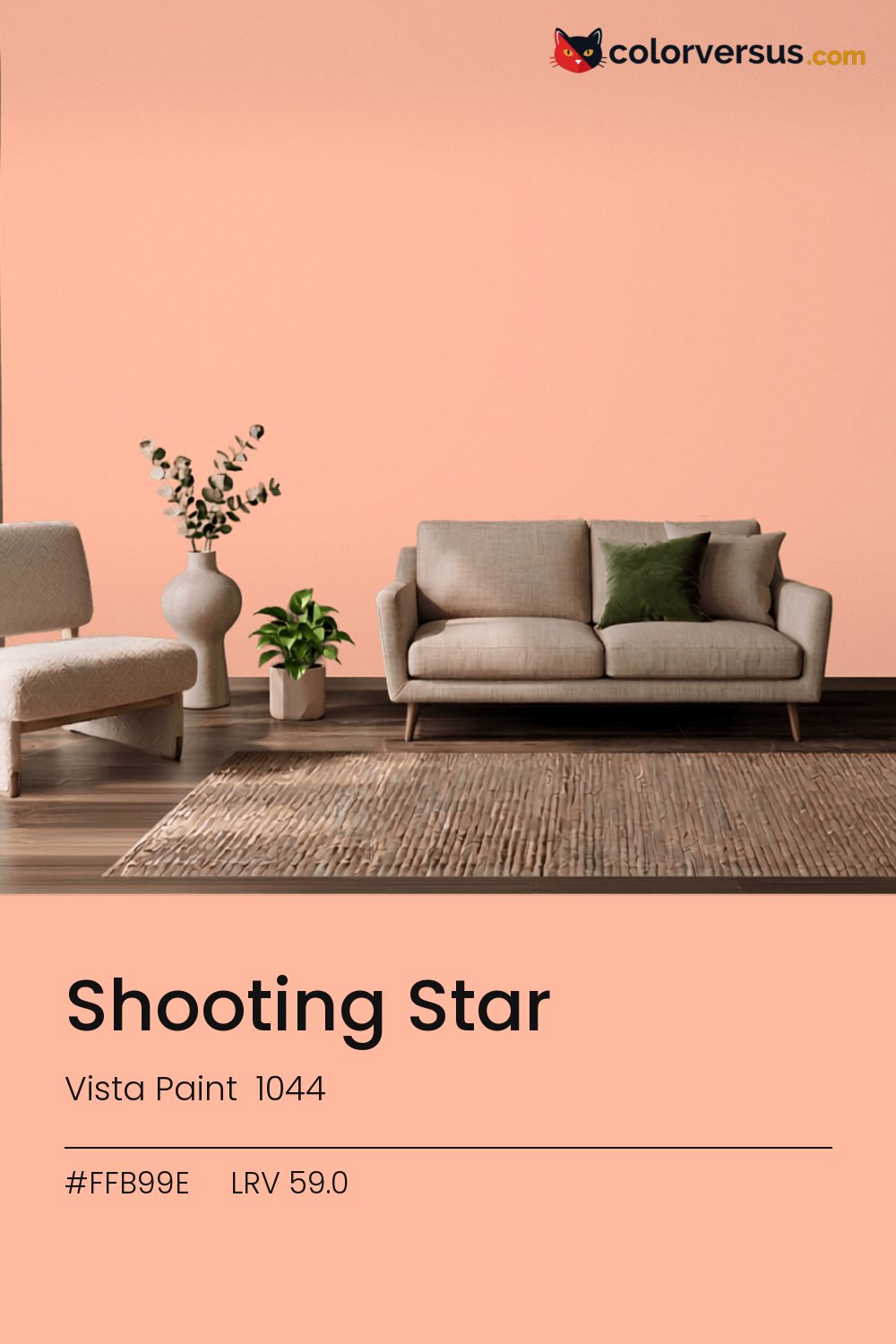
Vista Paint 1044Vista Paint 1044
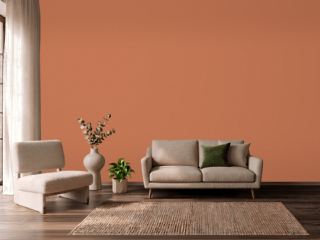
A color with enough presence that "accent" is really the only honest use for it. Vista Paint catalogs it as Shooting Star, 1044.
A chroma of 32.3 is well into the range where the color affects everything nearby - light fixtures, glossy surfaces, even skin tones under it. In a room with plenty of natural light, this can cover more wall area than it could in a dim one, where the same color reads heavier.
The red leans into warm light rather than fighting it, so this is a forgiving choice under standard incandescent or warm-LED bulbs. Light reflectance reads 59.0, though with this much color in it that number is the smaller half of the story.
Not quite orange, not quite red - this sits right where the two meet, so the room's own lighting ends up deciding which one you actually see. Rooms already built around blues and cool greys are the hardest fit for this color - the two are opposites, and opposites next to each other rarely feel calm.
The lighter the trim beside this, the more it will seem to glow - a side effect of the light-reflectance gap rather than anything special about the trim color. For layering, pair this with a clearly lighter mid-tone on a secondary wall or cabinetry, and keep the ceiling close to white. The gap between each step should be big enough to see without thinking about it (roughly 59.0 / 72 / 85 on the reflectance scale).
Dunn-Edwards Clear Skies makes a good second wall color here - different enough to read as a real choice, close enough to still feel related (about 31.8 points apart in light reflectance). This is not a color that benefits from shine - the saturation does the work, and a flat finish lets it do that evenly.
Across the other brands, nothing lands within delta-E 2 of this one - there is no easy substitute.
It is lighter than 63 percent of the Vista Paint range. The name is not unique: Benjamin Moore 304 and PPG 1154-1 also sell a color called Shooting Star, and it is not the same shade. Vista Paint lists it in the C codes, alongside 1,421 other colors.
Vista Paint Shooting Star is a warm color: its hue angle is 47° in CIE Lab at a chroma of 32.3, with a red.
The light reflectance value (LRV) of Vista Paint Shooting Star (1044) is 59.0, on a scale where 0 is absolute black and 100 is absolute white, which makes it a light-to-mid color.
Measured on the color wheel, Vista Paint Shooting Star pairs with Dunn-Edwards Azure Sky (DE5834, complement), Dunn-Edwards Aztec Aura (DE5351, analogous, warmer), Dunn-Edwards Rock 'n' Rose (DE5060, analogous, cooler), Dunn-Edwards Clear Skies (DEW375, soft accent).
Vista Paint Shooting Star's hex value is #FFB99E, RGB 255, 185, 158.
Vista Paint Shooting Star is classified as a orange, with a red.
The nearest Pantone TCX color to Vista Paint Shooting Star is 13-1021 TCX Prairie Sunset, delta-E 1.32; the nearest RAL Classic is RAL 3012 Beige red, delta-E 16.91.
| HEX | #FFB99E |
| RGB | 255, 185, 158 |
| CMYK | 0%, 27%, 38%, 0% |
| HSL | 17°, 100%, 81% |
| HSV | 17°, 38%, 100% |
| CIE Lab | 80.98, 21.98, 23.71 |
| LCh | 80.98, 32.33, 47.2° |
| XYZ | 64.76, 58.43, 40.21 |
| Pantone (nearest) | 13-1021 TCX Prairie Sunset · ΔE 1.32 |
| RAL (nearest) | RAL 3012 Beige red · ΔE 16.91 |
| 13-1021 TCX Prairie Sunset | ΔE 1.32 | |
| 14-1228 TCX Peach Nectar | ΔE 2.02 | |
| 14-1225 TCX Beach Sand | ΔE 4.71 | |
| RAL 3012 Beige red | ΔE 16.91 |
Pantone TCX and RAL Classic are physical standards; these are their published sRGB approximations, so check a fan deck before specifying. Pantone® and RAL are trademarks of their respective owners.
Shades mix the color toward black, tints toward white. Click any step to find the paint colors closest to it.
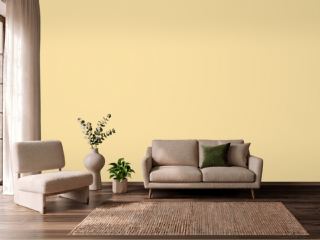
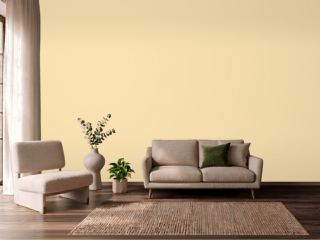
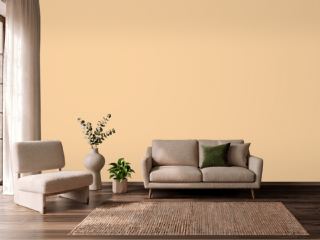
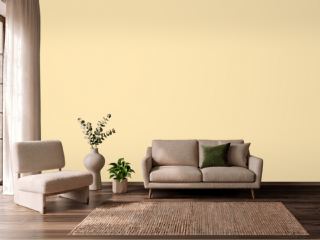
One image with Shooting Star and its closest color at every other brand, measured by delta-E.
 Luscious LemonBehr HDC-MD-24
 Friendly TanValspar 2008-8A
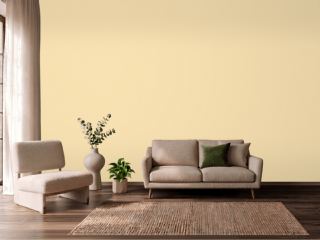 Banana CreamSherwin-Williams SW 6673
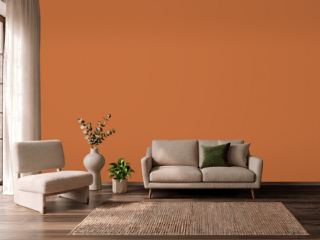 YamSherwin-Williams SW 6643
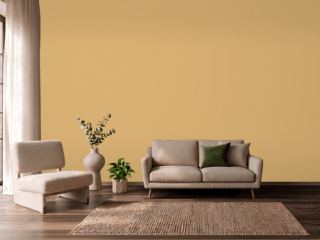 Tavern OchreBenjamin Moore CW-375
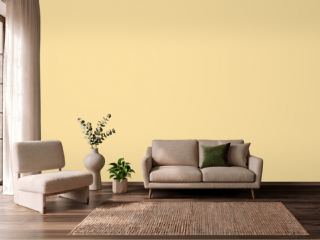 SoléSherwin-Williams SW 6896
 Butter UpSherwin-Williams SW 6681
 Champagne PinkValspar 2004-4C
 PastaDunn-Edwards DE5331
 GranolaDunn-Edwards DE5296
 They call it MellowSherwin-Williams SW 9015
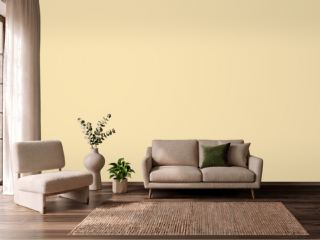 Friendly YellowSherwin-Williams SW 6680
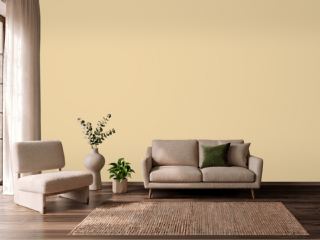 Dorset CreamFarrow & Ball 68
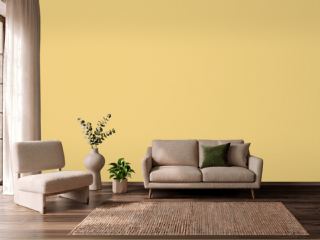 CitronFarrow & Ball 74
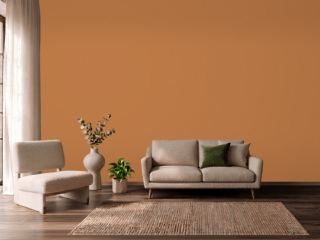 PumpkinVista Paint 1335
 Brick OrangeDutch Boy 7476