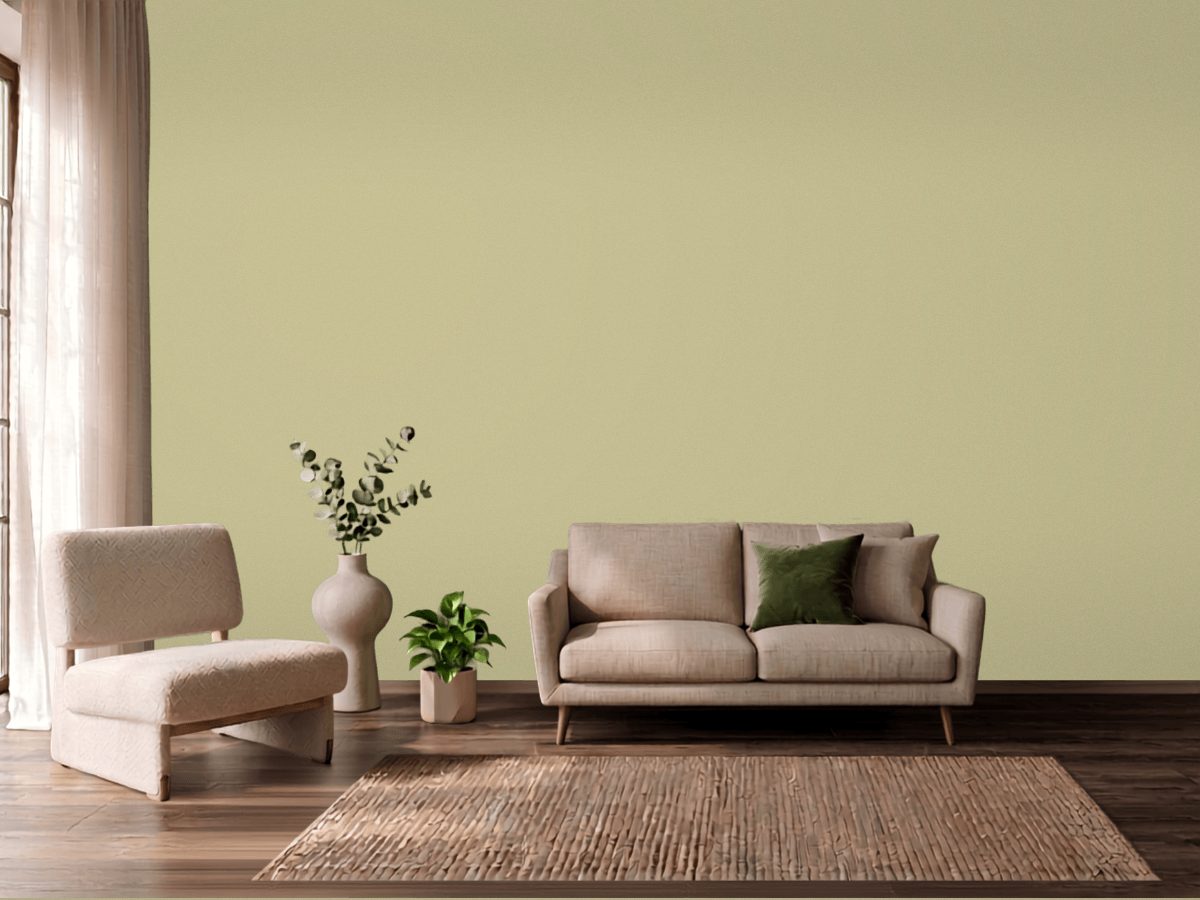
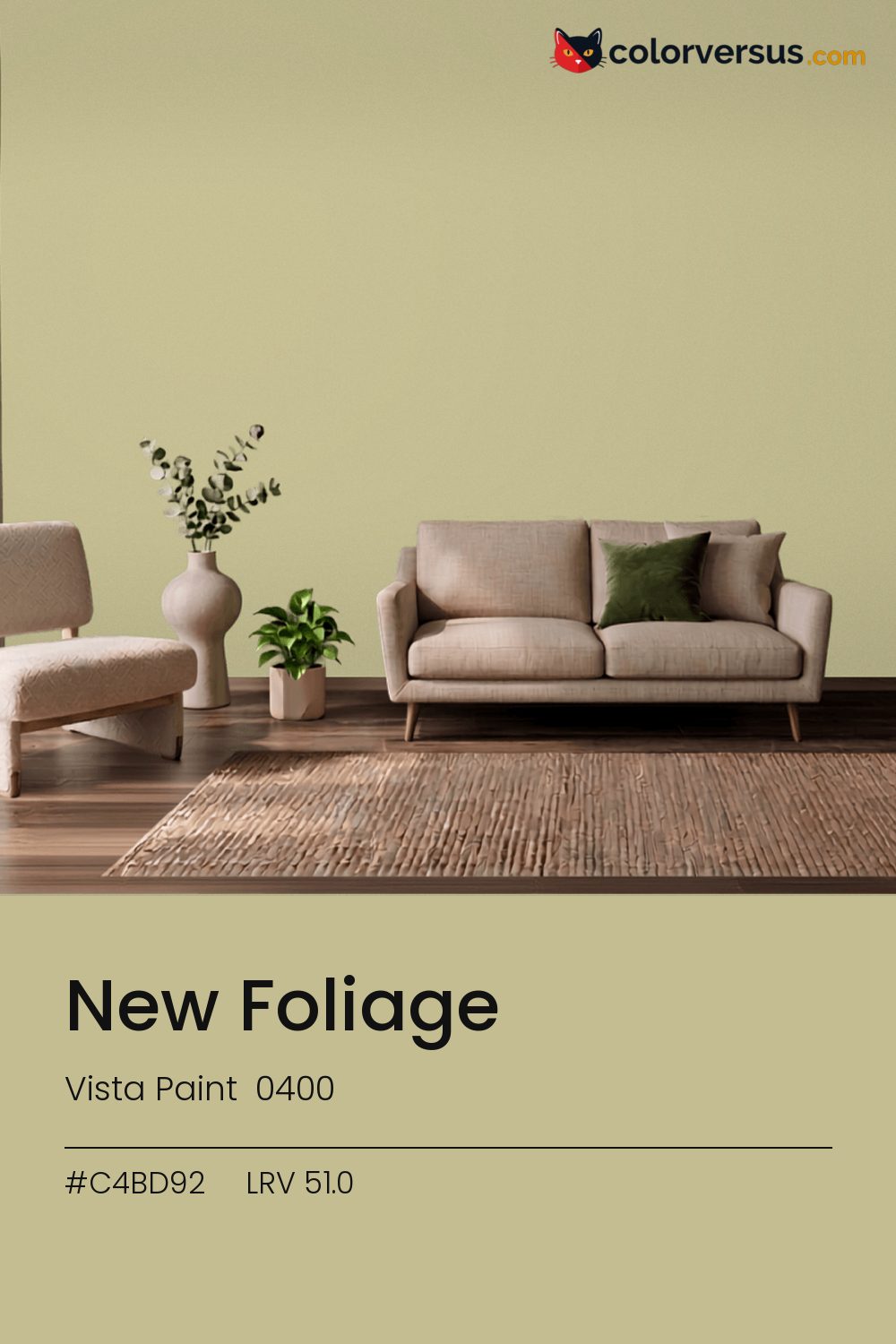
Vista Paint 0400Vista Paint 0400
This is a color that decides the room rather than supporting it. Vista Paint's designation for it is 0400.
Chroma 23.1 is high enough that the color will bounce onto light surfaces, so expect it everywhere, not only on the wall. In a room with plenty of natural light, this can cover more wall area than it could in a dim one, where the same color reads heavier.
South light flatters it. In a north-facing room it can turn cold, so sample that wall first. LRV 51.0 tells you how much light comes back, which matters less here than how much color comes with it.
In warm light this stays yellow; under cooler, daylight-style bulbs it can slide toward orange. It's close enough to that edge that a sample is worth checking in the room's own lighting, not under a store's. If the room already has blues and cool greys in the floor, a rug, or the furniture, this color will fight it rather than sit well beside it - the two sit at opposite ends of the color spectrum, which is exactly why they clash instead of blend.
The lighter the trim beside this, the more it will seem to glow - a side effect of the light-reflectance gap rather than anything special about the trim color. A natural scheme here moves in three clear steps: this color on the main wall, a noticeably lighter mid-tone for a second wall or built-in, and a near-white on the ceiling. Each jump should be obvious at a glance, not something you have to squint to tell apart (roughly 51.0, 68 and 85 on the light-reflectance scale, for reference).
Dunn-Edwards Lighthouse pairs well as a second surface - close enough in feel to belong in the same room, far enough in lightness to read as two distinct walls (about 39.3 points apart on the reflectance scale). Matte suits a color this strong - a glossier sheen would turn every light source in the room into a visible hotspot on the wall.
Benjamin Moore Burwell Green (CW-445) runs close enough - delta-E 2 - that swapping brands should not change how the room looks. This is a relatively uncrowded spot in the spectrum - just 1 color from other brands come this close.
It is lighter than 54 percent of the Vista Paint range. Vista Paint lists it in the C codes, alongside 1,421 other colors.
Vista Paint New Foliage is a warm color: its hue angle is 101° in CIE Lab at a chroma of 23.1, with a yellow.
The light reflectance value (LRV) of Vista Paint New Foliage (0400) is 51.0, on a scale where 0 is absolute black and 100 is absolute white, which makes it a light-to-mid color.
Measured on the color wheel, Vista Paint New Foliage pairs with Vista Paint Adora (7207, complement), Benjamin Moore Landscape (430, analogous, warmer), Behr Spiced Brandy (S190-4, analogous, cooler), Dunn-Edwards Lighthouse (DEW385, soft accent).
Vista Paint New Foliage's hex value is #C4BD92, RGB 196, 189, 146.
Vista Paint New Foliage is classified as a yellow, with a yellow.
The nearest Pantone TCX color to Vista Paint New Foliage is 14-0425 TCX Beechnut, delta-E 5.2; the nearest RAL Classic is RAL 1000 Green beige, delta-E 6.41. Neither is an exact match.
The closest cross-brand match to Vista Paint New Foliage is Benjamin Moore Burwell Green (CW-445), at a delta-E of 2.
| HEX | #C4BD92 |
| RGB | 196, 189, 146 |
| CMYK | 0%, 4%, 26%, 23% |
| HSL | 52°, 30%, 67% |
| HSV | 52°, 26%, 77% |
| CIE Lab | 76.2, -4.4, 22.67 |
| LCh | 76.2, 23.09, 101° |
| XYZ | 46.15, 50.21, 34.45 |
| Pantone (nearest) | 14-0425 TCX Beechnut · ΔE 5.2 |
| RAL (nearest) | RAL 1000 Green beige · ΔE 6.41 |
| 14-0425 TCX Beechnut | ΔE 5.2 | |
| 14-0925 TCX Parsnip | ΔE 5.37 | |
| 13-0919 TCX Soybean | ΔE 5.41 | |
| RAL 1000 Green beige | ΔE 6.41 |
Pantone TCX and RAL Classic are physical standards; these are their published sRGB approximations, so check a fan deck before specifying. Pantone® and RAL are trademarks of their respective owners.
Shades mix the color toward black, tints toward white. Click any step to find the paint colors closest to it.
One image with New Foliage and its closest color at every other brand, measured by delta-E.
 Yellow FreezeBenjamin Moore 2020-70
 Banana SplitBehr 360A-3
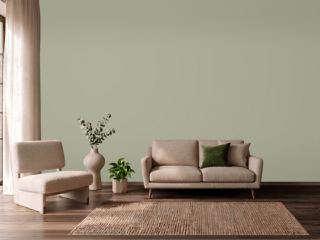 Clary SageSherwin-Williams SW 6178
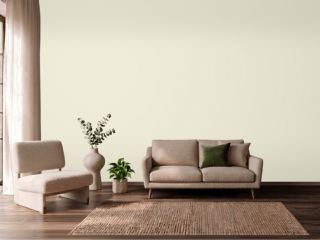 Queen Anne's LaceSherwin-Williams SW 6420
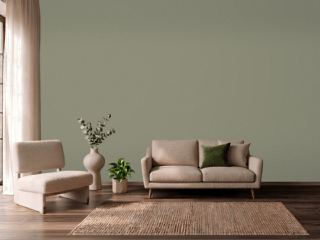 TreronFarrow & Ball 292
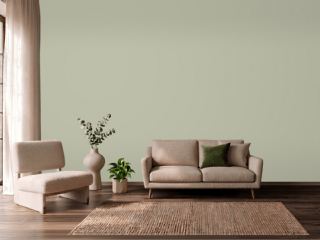 Softened GreenSherwin-Williams SW 6177
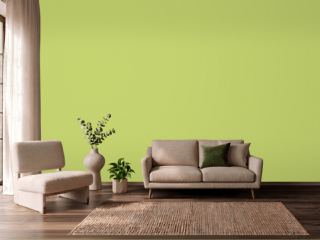 Pear GreenBenjamin Moore 2028-40
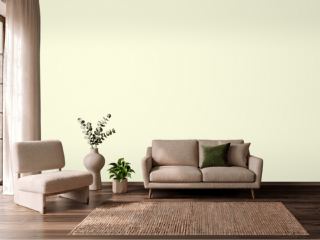 EggshellBenjamin Moore 2026-70
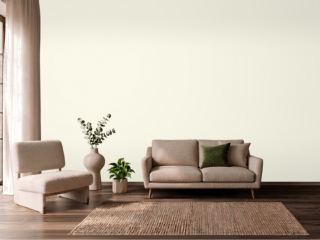 Touch of SunVista Paint 0852
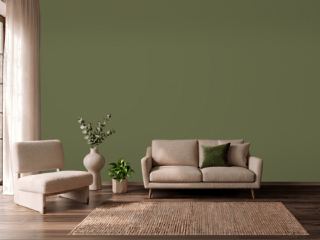 BanchaFarrow & Ball 298
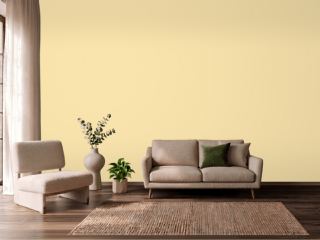 Pecan CreamValspar 3006-4B
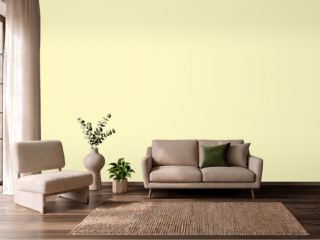 ButterBenjamin Moore 2023-60
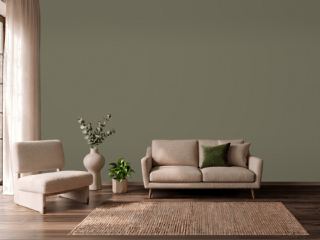 Sage Green LightSherwin-Williams SW 2851
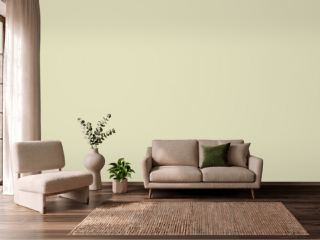 CelerySherwin-Williams SW 6421
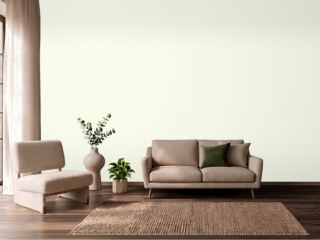 Soft SilverDunn-Edwards DEW359
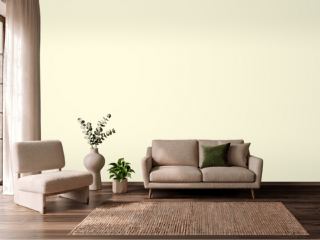 Crème FraicheBenjamin Moore 2023-70