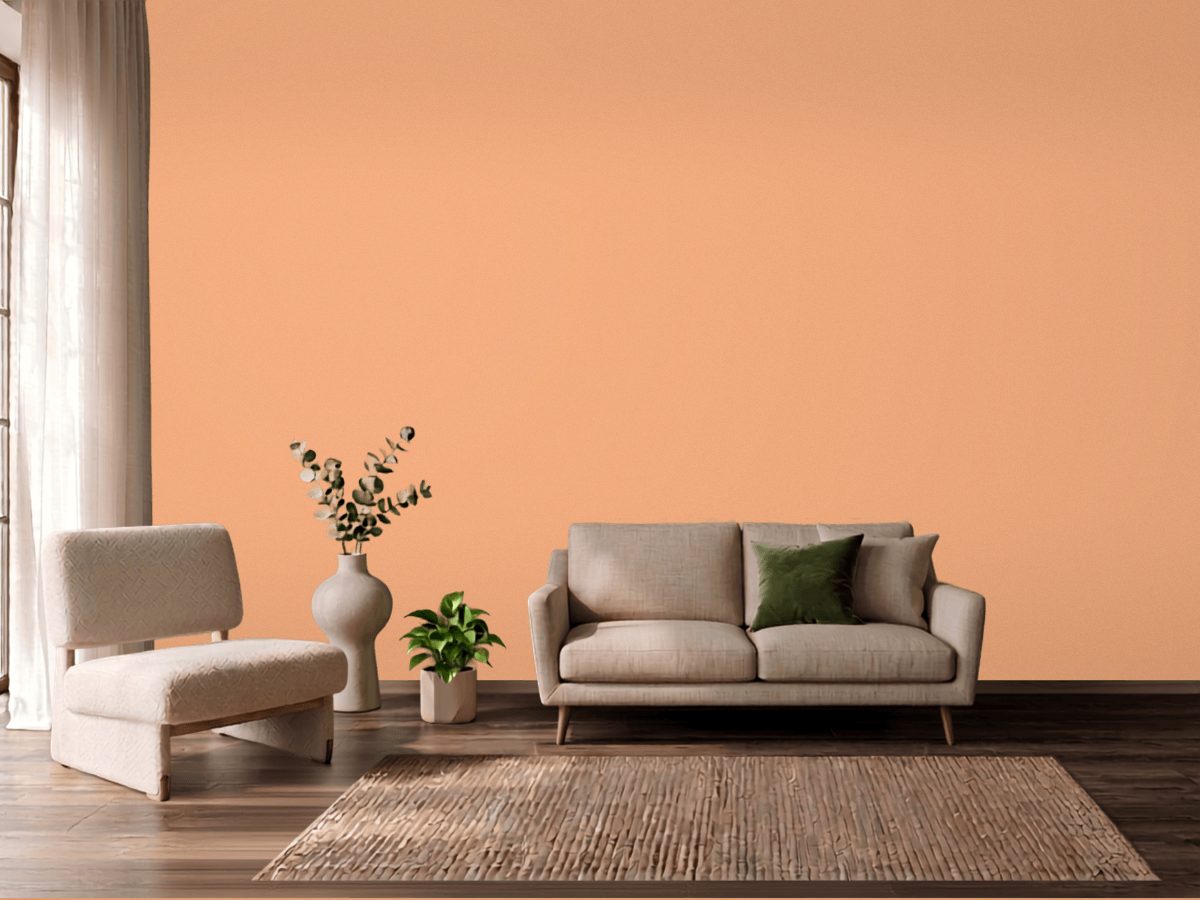
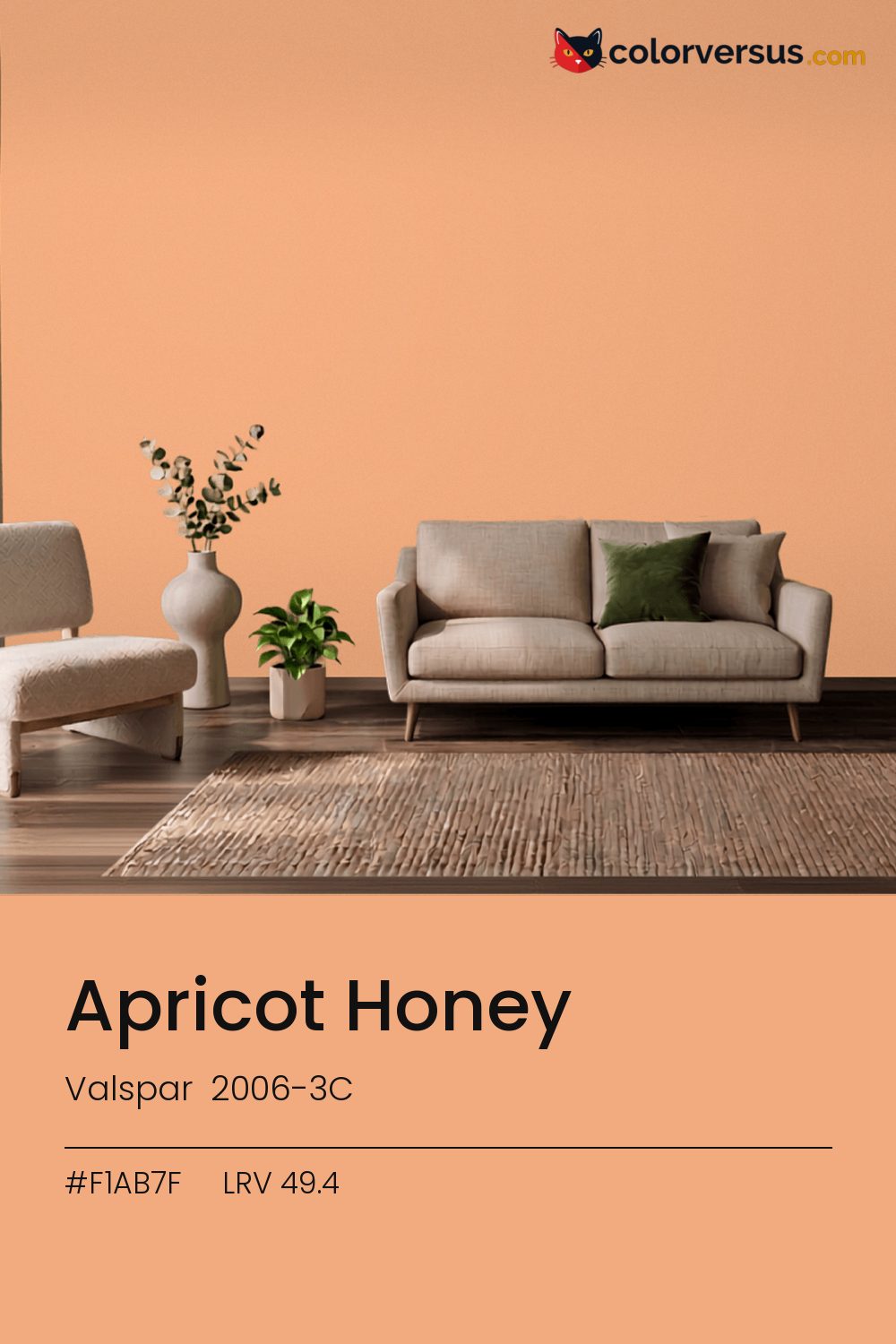
Valspar 2006-3CValspar 2006-3C
Retired color. Valspar no longer sells Apricot Honey (removed from its catalog by 2026). The closest one you can still buy is Sassy Peach 2003-2A.
| Color family | Orange |
| Code family | 2000 series |
| Hex | #F1AB7F |
| RGB | 241, 171, 127 |
| CIE L*a*b* | 75.67, 20.67, 32.84 |
| Light reflectance | 49.4 |
This is a color that decides the room rather than supporting it. Valspar's designation for it is 2006-3C.
Chroma 38.8 is high enough that the color will bounce onto light surfaces, so expect it everywhere, not only on the wall. Ideal for a single accent wall or a small room where you want to commit.
Warm bulbs make it warmer still; daylight bulbs cool it back toward neutral. LRV 49.4 tells you how much light comes back, which matters less here than how much color comes with it.
This color sits right on the line between orange and red - cooler light nudges it toward red, warmer light keeps it in orange (about 7° apart on the color wheel, for anyone measuring). Rooms already built around blues and cool greys are the hardest fit for this color - the two are opposites, and opposites next to each other rarely feel calm.
Warm metals - brass, aged gold, unlacquered fixtures - gain a contrast against this that they do not have against a lighter wall; it is a common reason people choose a color this deep in the first place. For layering, pair this with a clearly lighter mid-tone on a secondary wall or cabinetry, and keep the ceiling close to white. The gap between each step should be big enough to see without thinking about it (roughly 49.4 / 67 / 85 on the reflectance scale).
Dunn-Edwards Clear Vision pairs well as a second surface - close enough in feel to belong in the same room, far enough in lightness to read as two distinct walls (about 36.6 points apart on the reflectance scale). Matte suits a color this strong - a glossier sheen would turn every light source in the room into a visible hotspot on the wall.
PPG Orange Liqueur (1198-4) runs close enough - delta-E 1.87 - that swapping brands should not change how the room looks. This is a relatively uncrowded spot in the spectrum - just 1 color from other brands come this close.
It is lighter than 56 percent of the Valspar range. Light reflectance this exact is unusual: 3 colors in the whole catalog measure within a point of 49.4. Valspar lists it in the 2000 series, alongside 269 other colors.
Yes. Valspar no longer lists Apricot Honey (2006-3C) in its current color catalog. The closest Valspar color still on sale is Sassy Peach (2003-2A).
Valspar Apricot Honey is a warm color: its hue angle is 58° in CIE Lab at a chroma of 38.8, with a orange.
The light reflectance value (LRV) of Valspar Apricot Honey (2006-3C) is 49.4, on a scale where 0 is absolute black and 100 is absolute white, which makes it a mid-tone color.
Measured on the color wheel, Valspar Apricot Honey pairs with Dunn-Edwards Light Azure (DE5842, complement), Dunn-Edwards Lemon Gelato (DE5464, analogous, warmer), Benjamin Moore Cactus Flower (1335, analogous, cooler), Dunn-Edwards Clear Vision (DE5875, soft accent).
Valspar Apricot Honey's hex value is #F1AB7F, RGB 241, 171, 127.
Valspar Apricot Honey is classified as a orange, with a orange.
The nearest Pantone TCX color to Valspar Apricot Honey is 14-1133 TCX Apricot Nectar, delta-E 2.93; the nearest RAL Classic is RAL 1002 Sand yellow, delta-E 14.78.
The closest cross-brand match to Valspar Apricot Honey is PPG Orange Liqueur (1198-4), at a delta-E of 1.87.
| HEX | #F1AB7F |
| RGB | 241, 171, 127 |
| CMYK | 0%, 29%, 47%, 5% |
| HSL | 23°, 80%, 72% |
| HSV | 23°, 47%, 95% |
| CIE Lab | 75.67, 20.67, 32.84 |
| LCh | 75.67, 38.8, 57.8° |
| XYZ | 54.67, 49.36, 26.72 |
| Pantone (nearest) | 14-1133 TCX Apricot Nectar · ΔE 2.93 |
| RAL (nearest) | RAL 1002 Sand yellow · ΔE 14.78 |
| 14-1133 TCX Apricot Nectar | ΔE 2.93 | |
| 14-1230 TCX Apricot Wash | ΔE 3.97 | |
| 14-1241 TCX Orange Chiffon | ΔE 4.1 | |
| RAL 1002 Sand yellow | ΔE 14.78 |
Pantone TCX and RAL Classic are physical standards; these are their published sRGB approximations, so check a fan deck before specifying. Pantone® and RAL are trademarks of their respective owners.
Shades mix the color toward black, tints toward white. Click any step to find the paint colors closest to it.
One image with Apricot Honey and its closest color at every other brand, measured by delta-E.
 Luscious LemonBehr HDC-MD-24
 Friendly TanValspar 2008-8A
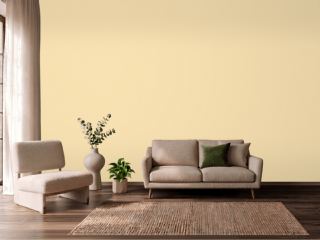 Banana CreamSherwin-Williams SW 6673
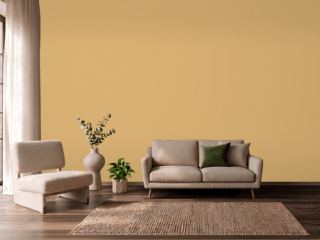 Tavern OchreBenjamin Moore CW-375
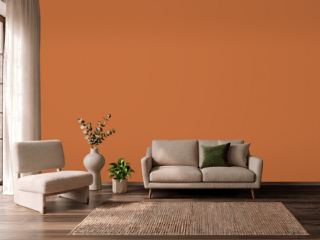 YamSherwin-Williams SW 6643
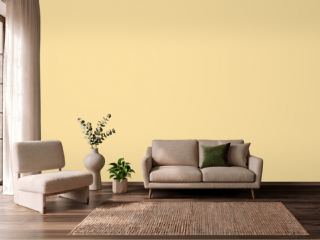 SoléSherwin-Williams SW 6896
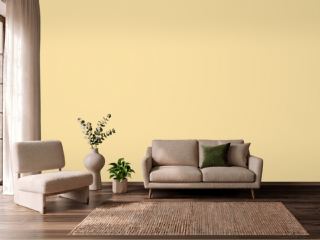 Butter UpSherwin-Williams SW 6681
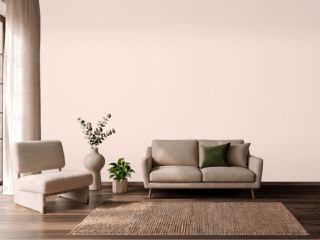 Champagne PinkValspar 2004-4C
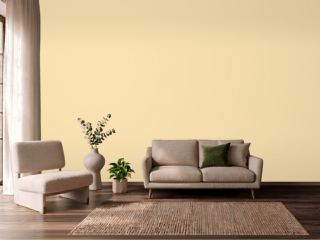 PastaDunn-Edwards DE5331
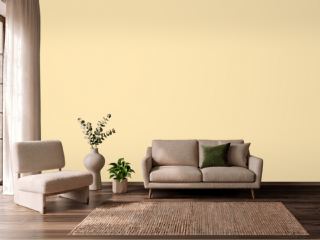 They call it MellowSherwin-Williams SW 9015
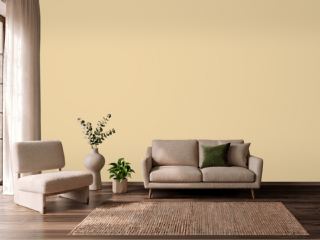 Dorset CreamFarrow & Ball 68
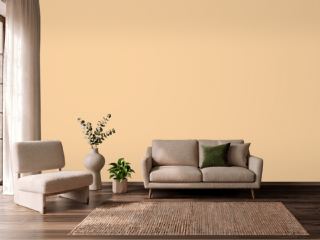 GranolaDunn-Edwards DE5296
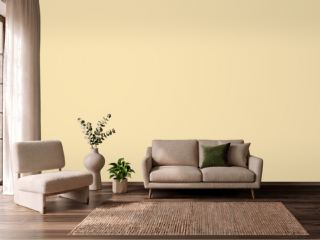 Friendly YellowSherwin-Williams SW 6680
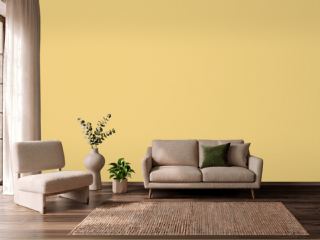 CitronFarrow & Ball 74
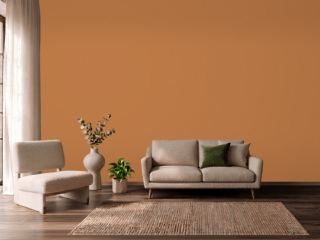 PumpkinVista Paint 1335
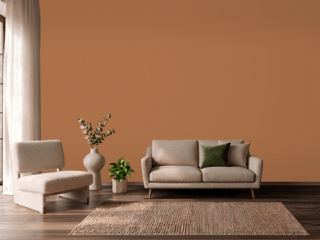 Copper MountainBehr 260D-7