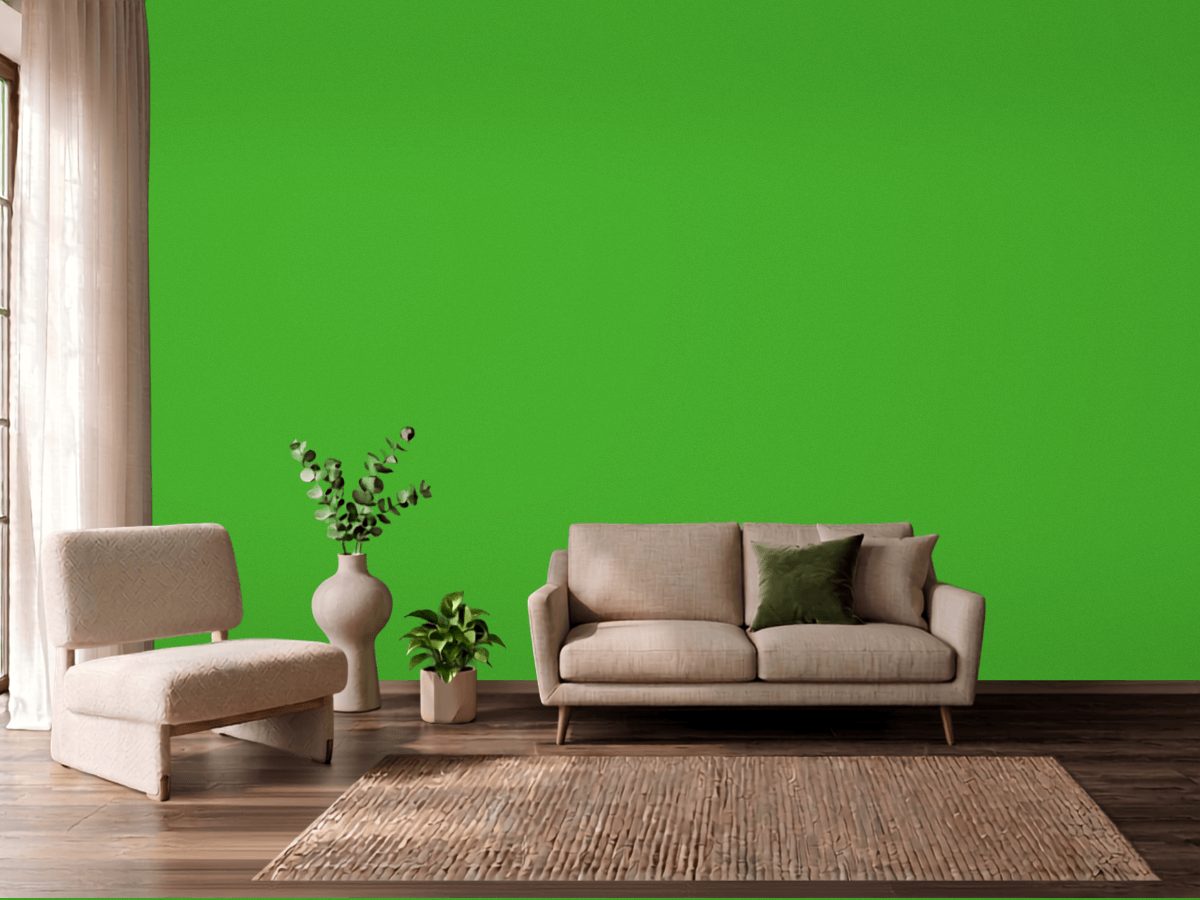
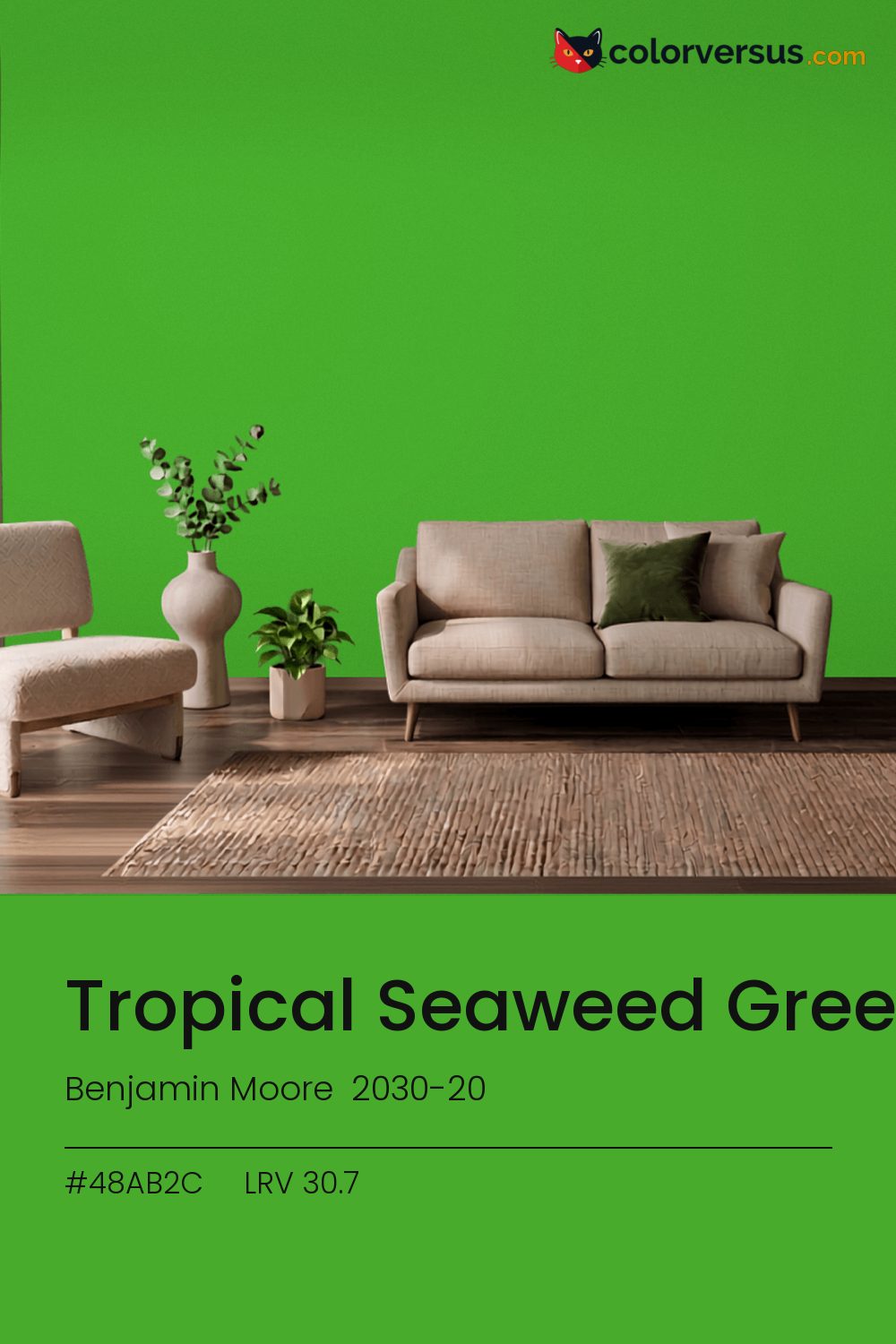
Benjamin Moore 2030-20Benjamin Moore 2030-20
| Color family | Green |
| Code family | 2000 series |
| Hex | #48AB2C |
| RGB | 72, 171, 44 |
| CIE L*a*b* | 62.24, -51.77, 53.38 |
| Light reflectance | 28.9 |
Hex and LRV verified against Benjamin Moore’s published color data · 2026
Saturated enough that everything else in the room answers to it. Benjamin Moore files it as 2030-20.
Chroma 74.4 is high enough to dominate a room's palette rather than join it. Used across a whole room it needs restraint in the decor - furniture and textiles that stay quiet so the wall can carry the color.
A warm bulb is the easiest fix if this reads colder than expected once it is on the wall. LRV 28.9 puts it in the middle of the scale, but saturation, not lightness, is what you will react to.
If the room already has purples in the floor, a rug, or the furniture, this color will fight it rather than sit well beside it - the two sit at opposite ends of the color spectrum, which is exactly why they clash instead of blend.
Next to it, white trim reads brighter and cooler than it does anywhere else in the house - the gap in light reflectance is what does that, not the trim paint itself. A natural scheme here moves in three clear steps: this color on the main wall, a noticeably lighter mid-tone for a second wall or built-in, and a near-white on the ceiling. Each jump should be obvious at a glance, not something you have to squint to tell apart (roughly 28.9, 57 and 85 on the light-reflectance scale, for reference).
For a secondary wall, Valspar Plink gives a natural step up in brightness without feeling like a mismatch (roughly 15.1 LRV points apart). If the wall needs to be washable, eggshell is the highest sheen worth considering before the color starts looking artificial under light.
Across the other brands, nothing lands within delta-E 2 of this one - there is no easy substitute.
It is lighter than 35 percent of the Benjamin Moore range. This is a crowded part of the scale - 447 colors measure within a point of 28.9 - so most brands will have something close. Among greens it is one of the strongest: only 1 percent of them carry more colour. Benjamin Moore lists it in the 2000 series, alongside 1,190 other colors.
Benjamin Moore Tropical Seaweed Green sits between warm and cool: its hue angle is 134° in CIE Lab at a chroma of 74.4, with a yellow-green.
The light reflectance value (LRV) of Benjamin Moore Tropical Seaweed Green (2030-20) is 28.9, on a scale where 0 is absolute black and 100 is absolute white, which makes it a dark color.
Measured on the color wheel, Benjamin Moore Tropical Seaweed Green pairs with Dunn-Edwards Royal Pretender (DE5999, complement), Dunn-Edwards Artificial Turf (DE5635, analogous, warmer), Benjamin Moore Iguana Green (2028-10, analogous, cooler), Valspar Plink (4001-10A, soft accent).
Benjamin Moore Tropical Seaweed Green's hex value is #48AB2C, RGB 72, 171, 44.
Benjamin Moore Tropical Seaweed Green is classified as a green, with a yellow-green.
The nearest Pantone TCX color to Benjamin Moore Tropical Seaweed Green is 16-6340 TCX Classic Green, delta-E 12.03; the nearest RAL Classic is RAL 6018 Yellow green, delta-E 11.2. Neither is an exact match.
| HEX | #48AB2C |
| RGB | 72, 171, 44 |
| CMYK | 58%, 0%, 74%, 33% |
| HSL | 107°, 59%, 42% |
| HSV | 107°, 74%, 67% |
| CIE Lab | 62.24, -51.77, 53.38 |
| LCh | 62.24, 74.36, 134.1° |
| XYZ | 17.69, 30.68, 7.37 |
| Pantone (nearest) | 16-6340 TCX Classic Green · ΔE 12.03 |
| RAL (nearest) | RAL 6018 Yellow green · ΔE 11.2 |
| 16-6340 TCX Classic Green | ΔE 12.03 | |
| RAL 6018 Yellow green | ΔE 11.2 |
Pantone TCX and RAL Classic are physical standards; these are their published sRGB approximations, so check a fan deck before specifying. Pantone® and RAL are trademarks of their respective owners.
Shades mix the color toward black, tints toward white. Click any step to find the paint colors closest to it.
One image with Tropical Seaweed Green and its closest color at every other brand, measured by delta-E.
 Card Room GreenFarrow & Ball 79
 Green SmokeFarrow & Ball 47
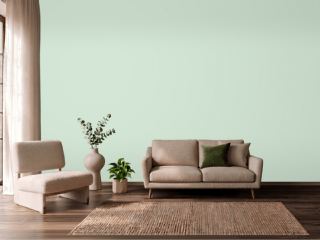 Mint ConditionSherwin-Williams SW 6743
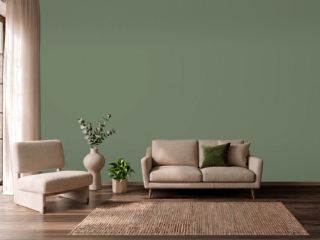 Avon GreenBenjamin Moore HC-126
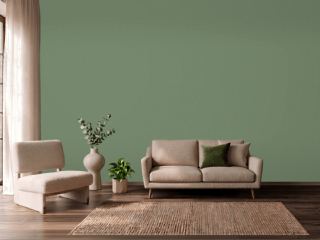 Calke GreenFarrow & Ball 34
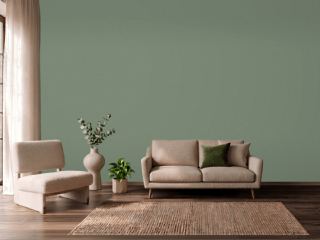 Privilege GreenSherwin-Williams SW 6193
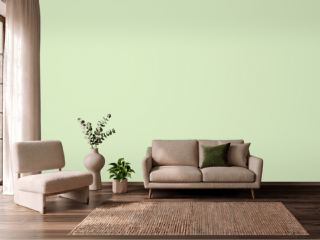 Sprig of MintValspar 6004-7B
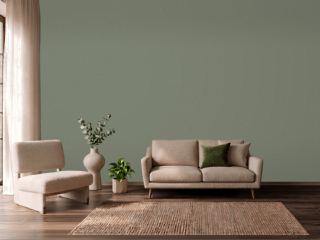 Dried ThymeSherwin-Williams SW 6186
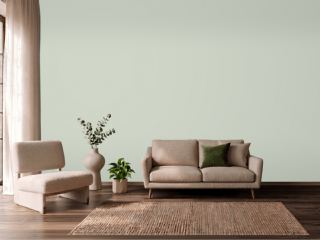 CastawayPPG 1129-3
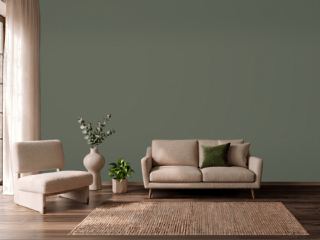 RosemarySherwin-Williams SW 6187
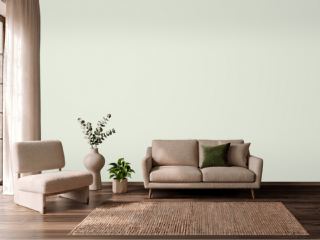 Spinach WhiteSherwin-Williams SW 6434
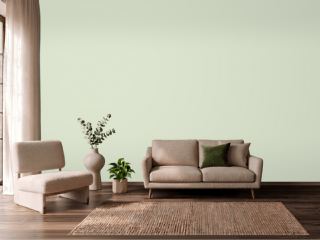 Gratifying GreenSherwin-Williams SW 6435
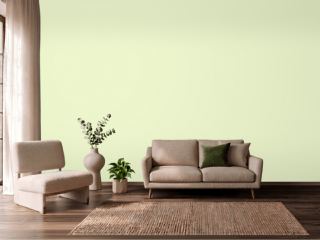 Wispy GreenBenjamin Moore 414
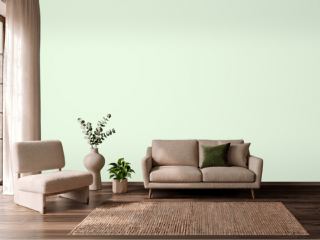 Lime SorbetBenjamin Moore 2032-70
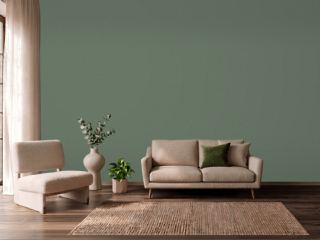 Cushing GreenBenjamin Moore HC-125
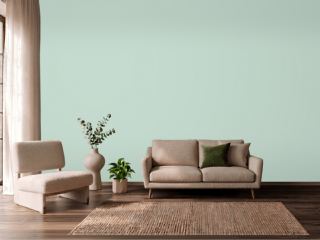 Aberdeen GreenBenjamin Moore 631